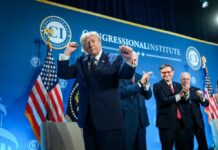
The Trump administration has implemented new immigration measures intended to strengthen border security and enforce existing immigration laws.
Story Snapshot
- President Trump’s second term ushers in sweeping immigration reforms aimed at securing the border and restoring law and order.
- New executive actions and legislation dramatically expand detention, deportation, and enforcement capabilities.
- Project 2025 blueprint drives policy, calling for military involvement and strengthened federal-local cooperation on immigration enforcement.
- Critics warn of legal challenges and humanitarian concerns, but supporters praise renewed focus on sovereignty, safety, and constitutional integrity.
Tough New Immigration Laws Signal a Seismic Shift
Early in his second term, President Trump implemented a series of immigration reforms through executive orders, legislation, and the Project 2025 blueprint. These policies expand enforcement measures, including deportation procedures and detention capacity. Some conservatives have expressed concern over Biden-era immigration policies, including sanctuary city practices and enforcement challenges, prompting a focus on stricter border management under the current administration.
The “One Big Beautiful Bill Act” (OBBBA), passed in July 2025, allocates funding for immigration enforcement, detention, and deportation. According to reporting, it increases detention capacity and family facilities and modifies limitations on detention length, affecting the processing of noncitizens.
Military and Law Enforcement Empowered at the Border
Project 2025, developed with input from conservative organizations, includes provisions for using military personnel to assist border security operations, including National Guard and federalized state units. These measures require state and local authorities to coordinate with federal immigration enforcement. Expedited removal procedures have been expanded to additional public spaces, including schools and hospitals, per administration guidance.
E-Verify requirements have been strengthened to ensure employers hire eligible workers, and states are expected to share relevant data with immigration authorities. The administration states these policies aim to enforce immigration laws, protect employment eligibility, and strengthen border security.
Legal Challenges and Constitutional Debate Intensify
Civil rights organizations, including the American Civil Liberties Union, have raised concerns that expanding detention, reducing humanitarian relief, and involving the military may affect due process and constitutional protections. Supporters argue that these measures address enforcement gaps and emphasize border security and adherence to federal law.
Border Czar Homan: “I can tell you that the Trump administration is dedicated to achieving a record deportation, the vast majority being criminal aliens, making this country safer every day.”
This is what America voted for overwhelmingly.pic.twitter.com/nIafw4Otz5
— Paul A. Szypula 🇺🇸 (@Bubblebathgirl) October 28, 2025
Legal challenges are ongoing, and public debate continues over balancing border security with civil liberties and family rights. The administration maintains its focus on implementing the policies outlined in Project 2025.
Sources:
The Trump Administration’s 2025 Changes to Immigration Law …
The Anti-Immigrant Policies in Trump’s Final “Big Beautiful Bill …
Project 2025: What’s At Stake for Immigrants’ Rights
Trump on Immigration | American Civil Liberties Union