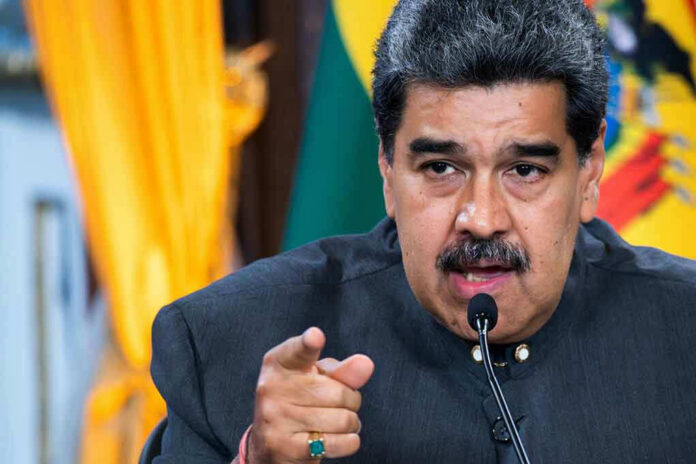
Maduro’s jailhouse photos were timed to speak louder than his court docket.
Story Snapshot
- Maduro posted two U.S. jail photos with a love-and-hope message to supporters.
- The images were dated weeks earlier, pointing to a planned release window.
- The posts reframed detention as resilience while his New York case advances.
- Both allies and critics can weaponize the same visuals for their own goals.
What Happened And Why The Timing Matters
Nicolás Maduro shared two photos from his U.S. detention with a message that cast the images as a gift of “love and hope” to family and loyalists. The posts stressed he was “standing firm,” turning a jail snapshot into a story of grit. Outlets reported the pictures were taken earlier and only released later, a gap that points to deliberate timing to shape attention and mood. The tactic fits a familiar information playbook in high-stakes legal and political fights.
Maduro faces charges in the Southern District of New York for narco-terrorism, cocaine import conspiracies, and weapons offenses, detailed in superseding indictments from the Department of Justice. The case has moved in public view since U.S. forces captured him and transferred him to New York, with early official images and court milestones anchoring the timeline. The new photos try to soften that backdrop by presenting calm, resolve, and connection to supporters.
How Detention Images Become Political Tools
High-profile custody images rarely function as neutral records. They become anchors for narrative control. Communication scholars and newsroom editors have explained how power actors seed visuals to set frames, then let audiences do the rest. In this case, the “gift” language invites sympathy and loyalty, not just attention. The timing, after weeks of legal churn, suggests a release aimed at regaining initiative and stealing a headline cycle from the slow grind of court filings.
Opponents read the same photos in reverse. A smile becomes a smirk. A peace sign looks like defiance with no leverage. That is the double edge of political imagery: both sides can claim a win without changing the facts on the ground. Conservative common sense cuts through the spin here. The law will work at its pace in a U.S. court. Photographs do not dismiss indictments, and social captions do not suppress evidence. The images are theater; the venue is still the courtroom.
The Legal Track That Frames The Photos
Prosecutors laid out serious counts tied to drug trafficking and violence, carried forward from earlier cases into newer filings. The Department of Justice spelled out the structure of the alleged network and named multiple defendants linked to Maduro. That legal record builds pressure independent of social posts. The first official custody visuals came from U.S. leaders and media soon after capture, setting a baseline. Later personal photos try to change the emotional tone, not the record.
Media reported that the photos were stamped well before their public debut, underscoring a deliberate cadence. This pattern is common in contested crises: hold an image, then drop it when attention crests or when the news cycle turns unfavorable. That tactic serves a narrow goal—maintain morale, project agency, and remind audiences that the figure remains present. Yet the court’s calendar will not move for social timing. Judges read filings, not feeds.
What To Watch Next
Expect more image drops around hearings, motions, or diplomatic sparring. Each will try to reset mood and reclaim narrative oxygen. The smarter read focuses on three markers. First, court filings and dates in the Southern District of New York, which show where the case stands in fact, not impression. Second, who speaks alongside the photos—lawyers, family, or foreign allies—and what they argue. Third, whether any post tries to blur or pre-empt a damaging legal step with a softer story.
The core takeaway endures. The images are not random; they are scheduling. They try to turn detention into a symbol of steadiness. They can rally a base for a day, maybe a week. They cannot rewrite a charge sheet. Americans know the difference. Justice is methodical. Politics is loud. When they collide, the camera wins the hour, and the docket wins the month.
Sources:
cbsnews.com, infobae.com, en.royanews.tv, justice.gov, en.haberler.com, usatoday.com, bbc.com, congress.gov