

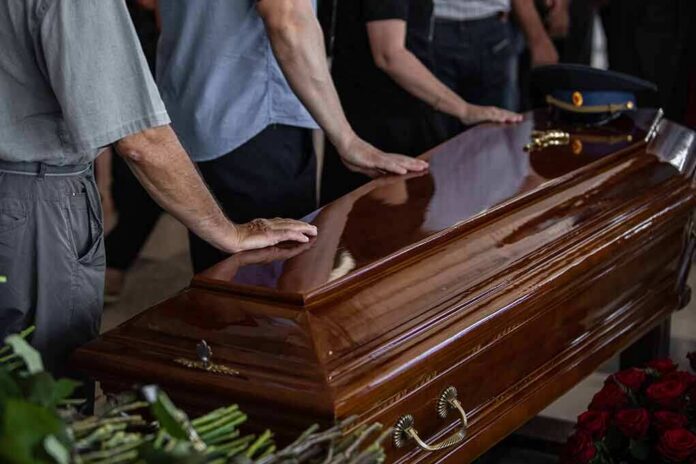
Oscar-nominated actress Barbara Barrie died at 95 on October 28 through New York’s medical aid in dying law after a terminal cancer diagnosis, her family confirmed.
Quick Take
- Barrie died Wednesday, October 28, 2026, at her home in Manhattan.
- Her daughter, Jane Harnick, told The New York Times the death was medically assisted.
- A representative said the death followed New York’s Medical Aid in Dying law, which Barrie had publicly supported.
- Barrie earned an Oscar nomination for “Breaking Away” and appeared in “Barney Miller” and the original Broadway cast of “Company.”
Family Confirms Medically Assisted Death
Barbara Barrie died Wednesday at her home in Manhattan, according to multiple outlets reporting on her passing. She was 95 years old. Her daughter, Jane Harnick, told The New York Times that her mother’s death was medically assisted, following a terminal cancer diagnosis. Variety separately confirmed Harnick’s account of the circumstances surrounding her mother’s final days.
A representative for Barrie’s family gave a more detailed statement to TVLine, saying the death “was medically assisted in accordance with the New York State Medical Aid in Dying law, of which she was a proponent and advocate”. That law lets terminally ill, mentally capable adults request medication to end their lives on their own terms, under strict state rules.
A Decades-Long Career On Screen And Stage
Barrie earned an Academy Award nomination for Best Supporting Actress for her role in the 1979 film “Breaking Away,” playing a working-class mother in Indiana. She also starred as Inspector Barney Miller’s wife on the long-running sitcom “Barney Miller” and appeared in the original Broadway cast of Stephen Sondheim’s “Company”. Her career spanned television, film, and theater over more than five decades.
Barrie’s other credits included “Private Benjamin” and “Suddenly Susan,” roles that showcased her range across comedy and drama. Outlets including Deadline, The Hollywood Reporter, Vulture, and IndieWire each published tributes recounting her long résumé alongside details of her death, noting her lasting influence on stage and screen performers who followed her.
How The Law Works And Why Language Matters
New York’s statute, like similar laws in other states, generally avoids the word “suicide.” Medical and legal experts note that terms like “medical aid in dying,” “assisted dying,” and “assisted suicide” are often used interchangeably in public conversation, even though they describe different legal and medical processes. Self-administered medication under a doctor’s prescription differs from a provider directly ending a patient’s life, a distinction courts have weighed for decades.
New York courts have previously ruled that the state’s ban on assisting a suicide does not grant a broader constitutional right to aid in dying as some plaintiffs have argued. That legal backdrop helps explain why representatives for public figures often use precise statutory language, like “Medical Aid in Dying law,” rather than more general terms when describing a death.
What Comes Next For Her Legacy
Barrie was reportedly a vocal supporter of New York’s medical aid in dying law before her death, according to the family representative’s statement. Her choice to speak publicly about it, through her family, puts her name alongside a small number of public figures who have used their own deaths to highlight end-of-life laws that remain legal in only a handful of states.
No additional medical or legal records beyond family and representative statements have been made public at this time. Her family has not released further details about her treatment or the timeline leading up to her death, and no such details were expected given medical privacy protections surrounding terminal patients.
NEWS BYTES | WORTH A READ
🔹 HOLLYWOOD VETERAN PASSES AWAY
Oscar-nominated actress Barbara Barrie passed away at her Manhattan residence at 95. Suffering from terminal cancer and idiopathic pulmonary fibrosis, her death was medically assisted under New York's Medical Aid in… pic.twitter.com/PiTmmzvJqC— Diganta Guha (@diganta_guha) October 29, 2026
Barrie is remembered by colleagues and fans as a steady presence across generations of American entertainment, from Broadway’s golden era to network television’s biggest sitcoms. Her death adds her to a growing list of public figures whose families have chosen to speak openly about medically assisted deaths, a conversation that continues to shape how Americans understand end-of-life choices.
Sources:
foxnews.com, people.com, broadwayworld.com, tvline.com, newsobserver.com, deadline.com, vulture.com