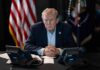


President Trump closed the first-ever Republican midterm convention by telling voters to “pretend that I’m on the ballot,” turning the two-night event into a direct push to keep Congress in GOP hands.
Story Highlights
- Trump headlined the convention’s final night in Dallas and centered the stakes on November.
- Republicans staged an uncommon midterm convention, built around Trump’s draw.
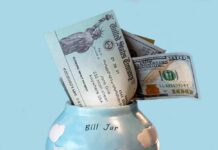
- Trump repeated a pledge of $5,000 to citizens if Republicans hold Congress.
- Experts say such events can energize local audiences, with effects that vary by place.
Trump’s Closing Pitch Put Himself At The Center
President Trump capped the Dallas convention as the final speaker, urging Republicans to vote as if he were on the ballot this fall. Reporting described a long keynote that mixed policy and punchlines, with the clear goal of firing up turnout and framing the midterms as a verdict on his agenda. The Republican National Committee had previewed the star-power strategy weeks earlier, making clear that both President Trump and Vice President JD Vance would headline the two-night event.
Trump again talked up a proposed “Trump dividend” of $5,000 for citizens if Republicans retain control of Congress. Outlets covering the speech noted the crowd response and the campaign-style tempo as the president pressed supporters to lock in votes and help down-ballot candidates. The message was blunt: keep Republican majorities to keep his policies moving. That framing made the Dallas gathering feel less like a typical party meeting and more like an extended rally timed for maximum attention.
Why A Midterm Convention, And Why Now
Republicans broke with modern practice by holding a national midterm convention. Analysts and reporters called the move rare and designed to “defy history,” since the party in the White House often loses seats in midterms. Party officials also pitched the spectacle as a way to focus attention and unify messages across states. Newsrooms previewed the event as unprecedented in the current era, with Trump scheduled across both nights to anchor the program and drive coverage.
There is little direct precedent to judge how much such a show can move votes. A small set of studies on conventions and big campaign events finds that effects are often local, uneven, and depend on where the event happens and who lives there. That means Dallas-area attention could matter, but broad national turnout swings from one event are unlikely on their own. The Republican bet favors intensity and message control over tradition, using Trump’s presence as the main magnet.
How This Fits Voter Frustration On Left And Right
Trump’s message leaned on pocketbook stakes and order, themes that reach voters who feel Washington is not serving them. Many conservatives blame high costs, border failures, and elite favoritism. Many liberals fear cuts to safety nets, widening gaps, and bias against minorities. Both sides share a core worry: leaders in both parties seem to protect their own power before solving daily problems. The convention’s design admitted that reality by centering one figure who can command attention.
Whether that focus helps Republicans keep Congress will depend on where voters live and what they feel in their wallets. Research suggests that hosting and heavy media coverage can shift opinions nearby, while national effects are modest and mixed. Still, parties use big stages for a reason. They set priorities, test messages, and try to show momentum. In Dallas, Republicans sent a plain signal: the midterms are a referendum on Trump’s agenda, and they want voters to decide with that frame in mind.
Sources:
aljazeera.com, youtube.com, texastribune.org, pbs.org, npr.org, fox4news.com