

George W. Bush says America keeps forgetting 9/11’s hardest lesson: in a crisis, clear orders save lives — and confusion costs time.
Story Highlights
- Bush says he authorized shooting down hijacked planes on 9/11 as a last resort.
- Commanders relayed shootdown authority across the air defense network at 10:31 a.m..
- Officials still debate how the order moved through the chain of command.
- The episode shows how messy crisis communication shapes later policy fights.
What Bush Authorized And When It Happened
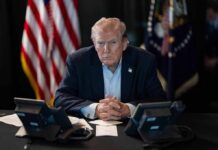
On September 11, 2001, President George W. Bush told Vice President Dick Cheney he had authorized the military to shoot down hijacked planes if needed. The 9/11 Commission recorded that Bush gave this approval during the unfolding attacks. That authority aimed to stop another plane from hitting a target. It was a last-resort step that reflected the shock and speed of the moment. The order’s core fact — that Bush authorized it — is well established.
North American air defense leaders pushed that authority into their system at 10:31 a.m. General Larry Arnold directed staff to broadcast that the vice president had cleared interceptors to shoot down unresponsive “tracks of interest.” That message marked when the order reached the broader command network. It showed the military trying to match direction from Washington with action in the sky. The timing matters because minutes defined what could be done.
How The Order Moved Through The Chain Of Command
The official record says it is not clear how the shootdown order moved inside the air defense command. That gap is unusual, but it fits how chaotic that morning was. The 9/11 Commission described weak links between civilian aviation and military leaders. Communication broke down across agencies, and standard processes failed under stress. That is why later reviews focus on timing, wording, and who told whom to do what, and when.
The Flight 93 National Memorial timeline captures the ripple effects. It notes the broadcast about shootdown clearance but says a regional commander did not pass it to pilots holding over key cities. That choice shows how leaders on the edge of action weighed rules, risk, and incomplete data in real time. It also shows how an order at the top does not always reach the cockpit fast enough to matter.
Why This Matters Now Beyond 9/11
This history explains later debates over war powers and emergency rules. After 9/11, Congress passed the Authorization for Use of Military Force, which backed wide action against those behind the attacks. Legal offices also argued over what powers a president already had in such a crisis. These questions still shape how the United States plans for fast-moving threats and who gets to say “go” when seconds count.
Americans across the political map see a pattern here. Leaders promise order, but systems often jam when it matters. Conservatives point to government bloat and mission creep. Liberals point to unchecked power and poor oversight. Both sides see elites who dodge blame while regular people carry the cost. The 9/11 shootdown record shows how a nation can act fast at the top yet still stumble in the middle, where action becomes result.
Lessons For Crisis Leadership And Public Trust
Clear language, clean chains of command, and shared systems are not nice-to-haves; they are life-or-death tools. The record shows that authorization, transmission, and execution are three different steps. When they do not line up, confusion fills the gap. That confusion feeds today’s doubts about whether Washington can handle the next shock. Tight drills, simple rules, and honest after-action reports can help restore trust before the next hard day arrives.
President George W. Bush initially remained calm at a school reading to avoid panic before addressing the nation.
He labeled the 9/11 attacks "acts of war," declared a War on Terror, established the Department of Homeland Security, and ordered the invasion of Afghanistan.
— Ivan Miyingo Quintus✨ (@IMQuintus) September 9, 2026
Bush’s push against “isolationism” draws from this memory. He argues threats do not wait for us to get ready, and walls do not fix weak systems. Many Americans agree that drift and denial are not strategies. But they also want proof that leaders can command without chaos. The 9/11 timeline is a reminder and a warning: authority must move at the speed of events, or it is just words on a line.
Sources:
youtube.com, media.defense.gov, independent.co.uk