
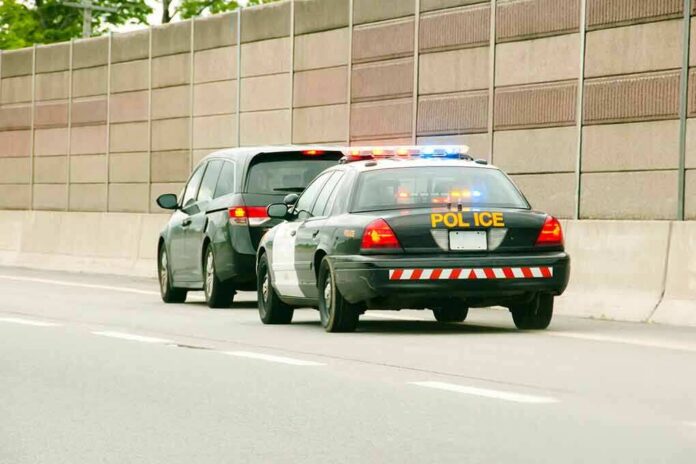
A man died after slamming into a tree at over 100 miles per hour minutes after Immigration and Customs Enforcement tried to stop his car, and now officials disagree on whether agents were still pursuing him when he crashed.
Story Highlights
- Police said Immigration and Customs Enforcement attempted a stop before the fatal crash.
- Department of Homeland Security says agents quickly ended the stop and were not chasing the car.
- Michigan’s governor ordered a state police review of the enforcement actions around the crash.
- Officials say the vehicle was moving at over 100 miles per hour before impact.
What Police And Federal Officials Say Happened
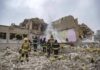
Grand Rapids police reported that federal immigration agents attempted to stop a vehicle before the crash, and the driver fled. Police said the car later struck a tree and caught fire, killing the driver at the scene. The Department of Homeland Security (DHS) released a different emphasis. DHS said officers tried to verify the driver’s identity, but the driver sped off. DHS said agents ended the enforcement due to safety and were not chasing the car when it crashed.
DHS added that officers were about a half mile away when they saw smoke and found the wreck burning. Officials said the driver’s car had been traveling at more than 100 miles per hour before impact. DHS also said agents tried to help the driver and put out the fire before city responders arrived. These claims aim to separate the crash from any active pursuit, a key point in how the public assigns blame.
Who Was The Target And Why That Matters
DHS said the vehicle was registered to a different person than the driver who died. The department described the registered owner as an unauthorized immigrant with several alcohol-related driving offenses and a charge in Guatemala for drunk and disorderly conduct. That detail complicates early reports that suggested agents were targeting the man who died. If agents focused on the registered owner, it raises questions about identification and why the driver fled at high speed.
State and local officials have asked for clarity. Michigan’s governor directed the Michigan State Police to conduct an independent review of the enforcement actions, working with Grand Rapids Police. Investigators will need to fix the timeline: when the stop was attempted, when agents ended it, where they were when the car crashed, and when smoke or fire was first seen. Without clear records like radio logs and video, the story remains shaped by competing statements.
Why This Dispute Hits A Nerve Across The Aisle
Crashes after attempted traffic stops tend to create fast, hardened narratives before full reconstructions exist. People often differ on what “pursuit” means, and that single word can shift public blame, even if the sequence is still in dispute. For many Americans, this case touches two steady worries: government force that can spiral with tragic outcomes, and agencies that offer polished statements but slow details. Both right and left see patterns they distrust.
Conservatives may focus on the decision to flee at extreme speed and on the need to remove dangerous drivers and those here unlawfully. Liberals may stress the risks of aggressive stops and the human toll on families. Most agree on one thing: we need facts, not spin. The review should release records quickly, including dispatch logs, body and dash camera video, and exact distance and timing. That transparency is the only way to settle what happened and why.
What To Watch Next
Watch for Michigan State Police to confirm whether agents ended the stop and how far away they were at impact. Look for independent estimates of speed, route, and fire timing, not only agency claims. Expect questions about whether policy guided agents to disengage and whether local responders had what they needed. Clear answers will not bring back a life, but they can guide safer tactics and restore a bit of trust in a system that many feel is failing them.
Sources:
nbcnews.com, theguardian.com, freep.com, yahoo.com