
A catastrophic polar vortex collapse is unleashing brutal Arctic cold across America, threatening lives and infrastructure as forecasters warn the deadly freeze will persist for weeks due to a rare stratospheric warming event.
Story Snapshot
- Polar vortex disruption drove temperatures to -40°C at upper levels, triggering extreme cold waves and winter storms across central and eastern United States in late January 2026
- Sudden stratospheric warming event forecast to cause full vortex collapse in early February, prolonging Arctic air outbreaks and deadly conditions through the month
- Record-low Arctic sea ice combined with atmospheric factors created a perfect storm, making the vortex fundamentally vulnerable to disruption
- Hypothermia risks, power outages, and transport disruptions threaten communities unprepared for prolonged severe cold, particularly in southern regions
Arctic Assault Grips the Nation
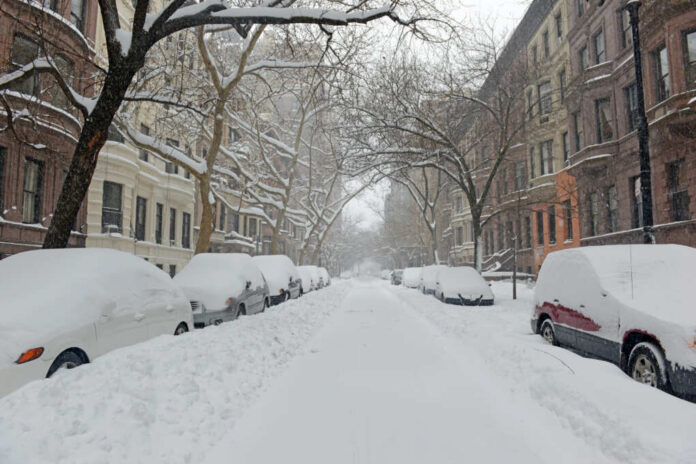
The polar vortex unleashed a dangerous blast of Arctic air across the United States in late January 2026, plunging the central and eastern regions into a deep freeze with temperatures dropping to minus 40 degrees Celsius at the 500-millibar level. This atmospheric phenomenon occurs when the persistent low-pressure circulation of frigid air over the Arctic weakens, allowing masses of bone-chilling air to plunge southward into populated areas. Heavy snowfall, ice storms, and life-threatening wind chills accompanied the cold wave, creating hazardous conditions that disrupted daily life and strained infrastructure across multiple states.
Stratospheric Disruption Fuels Extended Cold
Meteorologists identified a sudden stratospheric warming event as the culprit behind the vortex disruption, with stratospheric temperatures rising dramatically over the Arctic between January 24 and 27. This warming weakened the stratospheric winds that normally contain the polar vortex, causing the cold air mass to split and displace southward. The European Centre for Medium-Range Weather Forecasts models show the vortex core deforming at upper atmospheric levels, with high-pressure anomalies developing over the poles. Forecasters confirmed a full polar vortex collapse is imminent in early February, which will prolong the release of Arctic air into North America for weeks.
Perfect Storm of Climate Factors
The winter of 2025-2026 created unprecedented conditions for vortex instability, with record-low Arctic sea ice from 2025 combining with an easterly phase of the Quasi-Biennial Oscillation and neutral El Niño-Southern Oscillation conditions. Expert analysis indicates these factors working in concert made the polar vortex fundamentally more vulnerable to disruption than in typical winters. This synergy of atmospheric and oceanic conditions amplified the jet stream’s waviness, channeling Arctic air directly into mid-latitude regions. Unlike the clean vortex split seen during Europe’s 2018 “Beast from the East” event, this disruption involves a displaced core with stratospheric warming waves deforming the entire vortex structure.
Deadly Consequences for Unprepared Communities
Central and southern United States communities face the most severe threats from this prolonged cold outbreak, with regions unaccustomed to extreme winter weather at highest risk for hypothermia and frostbite casualties. Energy grids are experiencing dangerous stress levels as heating demands surge, triggering power outages that compound the life-threatening cold exposure. Transportation networks have ground to a halt in affected areas, with aviation delays cascading across the country and roadways becoming impassable due to ice accumulation. The Winter Storm Severity Index reached critical levels for the central and southern states in the days following January 27, indicating conditions that overwhelm normal coping mechanisms.
Ima just chalk this up as karma to your Floridians rubbing your 70° weather in our faces while it was sub zero across most of the country https://t.co/9ZKIusqdt6
— Ghost of Daniel Morgan 🇺🇸 (@thecavedaddy) January 28, 2026
Infrastructure Strain and Economic Disruption
The extended nature of this cold outbreak presents challenges beyond typical winter storms, as the forecasted vortex collapse will sustain Arctic conditions well into February with surface impacts delayed by one to two weeks after the stratospheric event. Agricultural sectors face significant losses from snow and ice damage in variable climate zones unprepared for such severe conditions. Daily commerce has halted in the hardest-hit regions, creating economic ripple effects that extend beyond immediate weather impacts. This event underscores the vulnerability of infrastructure designed for milder winter conditions, raising concerns about long-term preparedness as climate volatility increases despite global temperature trends.
Sources:
Insights on India – Polar Vortex
Severe Weather Europe – Polar Vortex Collapse Stratospheric Warming
Watchers News – Stratospheric Warming Arctic Polar Vortex
UK Blogspot – Polar Vortex Collapse Forecast
Weather Substack – January 27 2026 Frigid Winter