

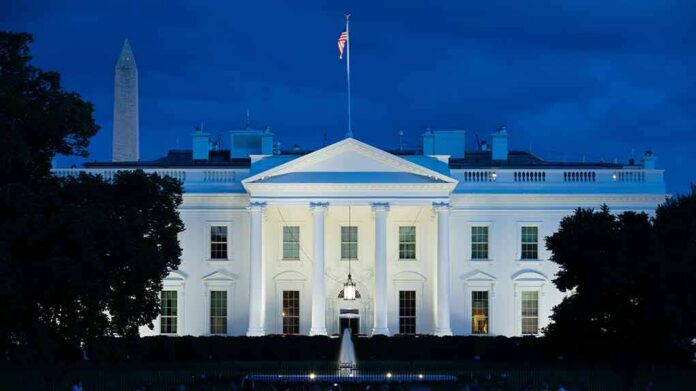
Two federal courts said the White House lacked authority to tear down the East Wing for a new ballroom, yet construction pushed ahead under a temporary Supreme Court order.
Story Snapshot
- District and appeals courts said Congress, not the White House, controls major changes to the building.
- The administration began demolition and argued long-standing laws allow presidential renovations.
- The Supreme Court let work continue for now without deciding the core legal issue.
- Members of both parties warned the Constitution assigns federal property decisions to Congress.
What Judges Already Decided About Authority
A federal district judge ordered work on the White House ballroom project to stop. The judge wrote that no federal law “comes close” to letting a president demolish the East Wing and build a new structure with private money. That ruling framed the fight as one about missing legal authority, not taste or policy. The judge rejected the administration’s reading of routine maintenance laws as a green light for a full teardown and rebuild.
On August 7, 2026, the United States Court of Appeals for the District of Columbia Circuit agreed with that view. The court said each president is a “temporary tenant,” not the owner, and cannot reshape the White House without Congress. The panel added that whether to build a massive ballroom is “for Congress to decide,” not a matter for executive action alone. Reporting also states the East Wing had already been torn down by then.
How the White House Defends the Project
The administration says presidents have changed the White House for more than a century. Officials argue Congress already gave authority for renovations in laws that fund upkeep and allow needed changes. Lawyers told courts the president must be able to renovate and secure the residence to do the job. They cast the ballroom as part of maintenance, repair, alteration, refurnishing, and improvement powers given by statute.
That defense points to earlier presidents who made major updates, and it stresses continuity of practice. But lower courts have drawn a line between routine fixes and major structural work. Judges said the statutes the White House cited do not cover demolition of a wing. They also rejected claims that the project is justified by security needs without clear statutory backing that fits this scale of change.
Why Construction Continues and What It Means
In late August 2026, the Supreme Court allowed work to continue during the case. The order did not decide who is right on the law. It only paused the lower court block while the legal fight goes on. That means cranes and crews may move, even as the core question remains open. This step risks making the change a fact on the ground before a final ruling arrives.
Lawmakers from both parties told the appeals court that Congress holds the power over federal property. They argued the Constitution puts building and demolition decisions in Congress’s hands, not the president’s. Their brief warned that letting any president act first and ask later would sideline the people’s branch. That echoes a broad public worry: leaders in Washington often stretch rules while regular citizens must follow them.
What Both Sides of the Aisle Should Watch Next
Congress could choose to approve or reject the ballroom. Clear action would settle the separation of powers question. If Congress stays silent, courts will likely decide whether older maintenance laws allow massive redesigns. Voters should also watch the paper trail. Lawsuits claim missing planning steps and environmental review. But the public record still lacks full permits and agency files that would confirm what was done and when.
Why This Fight Taps a Deeper Frustration
People on the right and left see a pattern: powerful actors push limits while government checks arrive late. Supporters see a needed upgrade to a working building. Critics see rule-bending by elites. The lower courts’ message is simple and old-school. The building belongs to the nation, and big changes need the people’s house to say yes. Until that happens, every swing of the wrecking ball feels like Washington moving the goalposts.
Sources:
bbc.com, reuters.com, cbsnews.com, cnbc.com, nytimes.com, ballsandstrikes.org, cnn.com