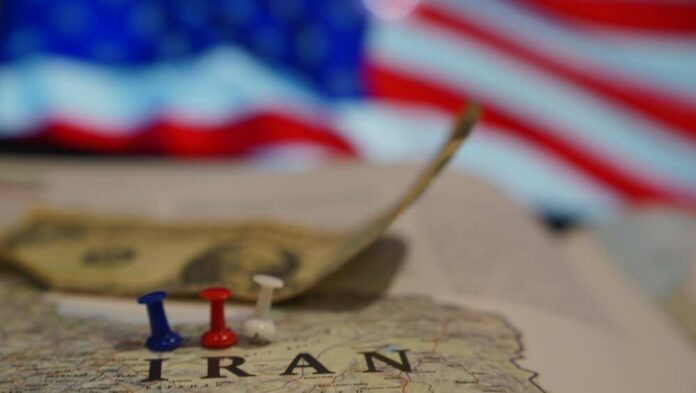
Iran is openly signaling that America’s “ceasefire” could be nothing more than an intermission—and the next round may hit U.S. troops, oil markets, and household budgets at the same time.
Quick Take
- Senior Iranian commander Mohammad Jafar Asadi warned via Iran’s Fars outlet that renewed war with the U.S. is “likely,” saying Tehran is fully prepared.
- President Trump publicly criticized the talks as “disjointed” and rejected a proposal relayed through Pakistani mediation, underscoring how fragile the pause has become.
- Iranian officials have argued the conflict will only end when U.S. allies feel “economic pain,” a strategy that points directly at energy disruption and inflation pressure.
- Separate Iranian and allied militant threats—including warnings about U.S. warships and proxy attacks—raise the risk that a local flare-up could widen quickly.
Asadi’s Warning Tests a Ceasefire That Exists “On Paper”
Mohammad Jafar Asadi, described as a senior Iranian military commander, issued a new warning through Iran’s Fars News Agency that a restart of war with the United States is “likely.” The message leaned heavily on familiar Iranian themes: Washington allegedly negotiates in bad faith, fails to honor commitments, and uses public messaging to calm oil markets rather than to resolve the dispute. Tehran paired the rhetoric with a readiness claim, saying its armed forces are fully prepared.
The immediate backdrop is a ceasefire that several reports describe as fragile—stable enough to reduce immediate fire, but not stable enough to restore confidence. Iran passed a proposal through Pakistani mediators that Trump rejected, after which Trump publicly described negotiations as “disjointed” and suggested Iranian leadership was “confused.” Those statements matter because they show both sides talking past each other: Tehran frames mistrust; Washington frames incoherence and delay.
Iran’s Stated Strategy: Pressure Through Economic Disruption
A separate interview with senior Iranian figure Kamal Kharazi described a hardening line: “no room for diplomacy” and readiness for a “long war,” with the claim that only “economic pain” will end the conflict. That framing is significant because it treats military action as a means to an economic end. If Tehran’s strategy is to trigger pressure on U.S. partners and energy routes, American families can feel the consequences through higher fuel costs and broader inflation, even without a major new battle.
Reports also describe Iranian force posture and deterrence messaging that appear designed to keep markets and allies nervous. Iranian forces deployed a large share of their regional firepower and issued warnings of “prolonged, painful blows” in response to potential U.S. strike plans. These claims are difficult to independently verify from the research alone, but they align with a consistent signal: Iran wants Washington and regional partners to believe escalation will be costly, sustained, and unpredictable.
Regional Spillover: Warship Threats and Proxy Violence
The risk is not only an explicit U.S.-Iran exchange, but spillover through proxies and adjacent theaters. Hezbollah drone activity in Lebanon that killed an Israeli soldier, and it highlights Iranian warnings that U.S. warships could be hit hard. Even if leaders on all sides prefer to avoid a full restart, history shows that small incidents can accelerate retaliation cycles, especially when armed groups operate with partial deniability and when political leaders face pressure to respond.
What This Means for Americans Watching from Home
For U.S. voters—especially those already worn down by years of inflation and rising energy costs—this story is less about distant rhetoric and more about whether Washington can prevent another destabilizing spike. Trump’s leverage is that Republicans control Congress and can present a unified posture on sanctions, energy policy, and defense funding. The counterweight is that stalled diplomacy, public messaging battles, and regional proxy attacks can still drag the U.S. into reactive moves.
Senior Iran Official Warns War with U.S. 'Likely' To Restart Soon As Trump Struggles To Make a Deal https://t.co/0to4EapLMj
— Mediaite (@Mediaite) May 2, 2026
The most responsible takeaway is also the most sobering: the ceasefire appears real but thin, and multiple parties are messaging as if they expect it to fail. If Tehran believes economic disruption is the fastest path to concessions, Americans should expect oil and shipping risks to remain part of the story. If Washington wants durable stability, any deal will have to be clear, enforceable, and resilient to spoilers—because slogans won’t stop missiles.
Sources:
Iran warns US of ‘prolonged, painful blows’ amid reports of potential strike plans
Iran says US warships could be hit hard in chilling warning as Trump weighs military action