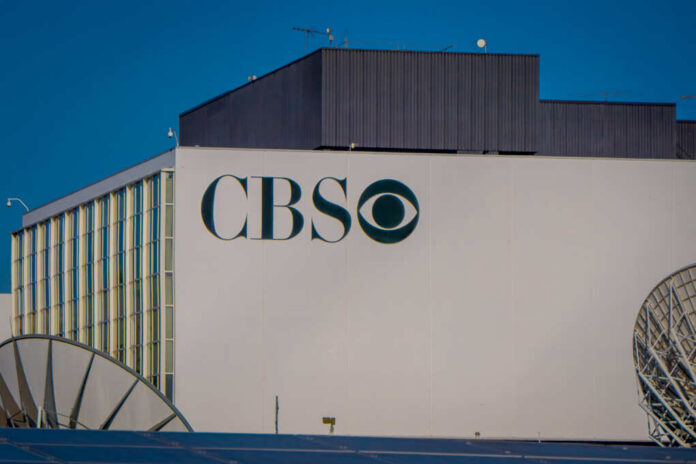
CBS News just got a blunt reality check: the new editor-in-chief told unhappy staffers they’re free to leave if they can’t handle a newsroom that won’t cater to progressive sensitivities.
Story Snapshot
- CBS News editor-in-chief Bari Weiss told employees in a company-wide meeting that those uncomfortable with her direction should consider departing.
- Paramount’s acquisition of Weiss’s The Free Press and her direct line to CEO David Ellison are driving rapid change inside a nearly century-old news division.
- Recent flashpoints include a pulled-then-aired 60 Minutes segment, a major anchor change, and reported looming layoffs that have staff on edge.
- Staff complaints highlighted fears of retaliation and culture-war friction, including disputes over language around biological sex.
All-Hands Meeting Puts CBS Staff on Notice
Bari Weiss addressed CBS News employees across bureaus during a tense all-hands meeting held Tuesday, telling staffers who don’t like her plan for the network that she would “respect” a decision to leave. Reports describe Weiss framing CBS News as a “best-capitalized media startup,” signaling that she intends fast operational changes rather than consensus-driven legacy-media routines. The exchange matters because it reveals how aggressively Paramount’s leadership wants CBS repositioned in the Trump era.
Weiss’s comments landed amid internal anxiety about job security and editorial direction. Reports also described staff perceptions of a “chilling effect,” with some employees believing honest feedback could bring professional blowback. From a conservative perspective, the core issue is less about personalities and more about whether a legacy newsroom can operate without ideological pressure campaigns from within—especially when the pressure is aimed at policing language, story selection, and acceptable viewpoints.
Paramount’s Acquisition Accelerates a “Startup” Overhaul
Paramount’s $150 million acquisition of The Free Press set the stage for Weiss’s unusual rise to editor-in-chief, despite limited traditional TV-news management experience. Weiss reportedly reports directly to Paramount CEO David Ellison, a power structure that gives her leverage over long-established internal gatekeepers. The result is a top-down overhaul of hiring and programming. Reports say Weiss has brought in a slate of commentators and contributors connected to The Free Press ecosystem, aiming to broaden the ideological mix.
The newsroom disruption is also financial. Layoffs were reported as impending, adding pressure to already tense editorial debates. Economic stress tends to expose what many viewers have believed for years: large legacy outlets can be slow to adapt, expensive to operate, and prone to internal politics. When leadership tries to move quickly, staff resistance can become a story itself—especially when employees interpret “change” as an ideological threat rather than a business reset in a competitive media environment.
Programming Controversies: 60 Minutes, Ratings, and Control
One recent controversy involved a 60 Minutes segment connected to a prison issue referenced as “CECOT.” Reports say Weiss pulled the segment shortly before it aired, despite internal clearances, then later allowed it to run—followed by discussion of poor ratings compared with NFL competition. Weiss reportedly acknowledged pulling it was a “mistake” while still defending her broader approach. That episode highlights a key management question: who controls final editorial calls, and how consistently those calls will be applied.
Reports also say Weiss emphasized a push for “scoops” and more decisive production discipline, including limiting late-stage reversals after advertising has been sold. That focus speaks to credibility and competence: audiences don’t trust outlets that look indecisive or captured by internal factions. Conservatives skeptical of legacy media will see this as a test case—either CBS proves it can deliver reporting without ideological handcuffs, or it becomes another example of a newsroom eating itself when leadership refuses progressive orthodoxy.
Culture-War Flashpoints Inside the Newsroom
The all-hands Q&A reportedly surfaced internal conflict over terminology and workplace climate, including concerns raised by a transgender employee related to language about biological sex. The factual point is that this topic entered a corporate-wide editorial meeting at a major national network—showing how workplace politics can spill into news judgment. For viewers who want clear reporting, ideological disputes over language can look like mission drift, where internal sensitivities become a higher priority than straightforward communication.
MAGA-Curious CBS Boss Dares Defiant Staffers to Quit in Tense All-Hands https://t.co/sKgYZxIn46 via @thedailybeast
— BARB59 / CANADA 🇺🇦 #FvckTrump #DemCast (@ABrosnikoff) January 28, 2026
Reports also described public support for Weiss from CBS personality Gayle King, who allegedly predicted the meeting would leak—an acknowledgment that internal conflict is now part of CBS’s public brand. Meanwhile, Weiss’s leadership has been framed by some coverage as making CBS “MAGA-curious,” a label that often functions less as a neutral description and more as a warning to dissenters inside legacy institutions. The next measurable indicators will be staff departures, ratings stability, and whether CBS can deliver coverage that feels less politically pre-scripted.
Sources:
MAGA-Curious CBS Boss Dares Defiant Staffers to Quit in Tense All-Hands
DRUDGE REPORT 2026®
MAGA-Curious CBS Boss Taps Harvard Professor for ‘Anti-Elite’ Makeover