

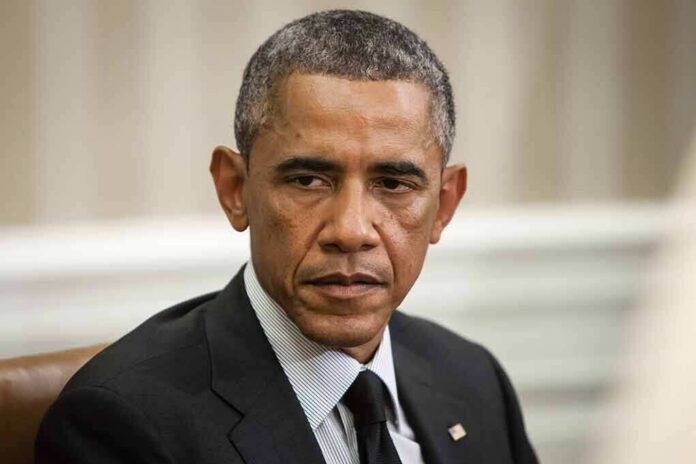
Barack Obama headlined a high-dollar Senate campaign fundraiser weeks before the midterms, underscoring how money and star power still shape who writes the nation’s laws.
Story Snapshot
- Obama led a Democratic Senatorial Campaign Committee fundraiser focused on Senate control.
- NBC News called it his first DSCC fundraiser of this cycle, timed for Oct. 7 in the Washington area.
- The event fits a long trend of former presidents raising money for Senate fights.
- Senate fundraising has surged in recent cycles, making national surrogates more valuable.
What Happened And Why It Matters
CBS News reported that former President Barack Obama headlined a Democratic Senatorial Campaign Committee fundraiser on Wednesday night to talk about the stakes of the midterm elections. NBC News said the event, planned for Oct. 7 in the Washington area, was Obama’s first fundraiser with the Senate campaign arm this cycle. The timing signals how both parties see Senate control as pivotal. Close margins raise the value of every dollar, message, and surrogate appearance.
The Democratic Senatorial Campaign Committee often turns to nationally known figures to boost small and large donations. The committee argues that most gifts come from small donors, while events like this one rally attention and press coverage. That mix reflects today’s campaign finance reality. Candidates must fund ads, field teams, and legal operations across many states. Big names help convert national interest into cash that local campaigns can use fast.
How This Fits A Larger Pattern
Modern campaigns routinely tap former presidents to raise money, validate candidates, and draw media. Obama has done so in past cycles, and Republicans have used former President George W. Bush in similar roles for Senate efforts. This is not unusual. It is a sign of how nationalized the Senate map has become. A race in one state often depends on donors across the country who respond to familiar figures and national issues.
Senate fundraising totals have soared since 2018. A New York Times analysis found that aggregate Senate fundraising more than doubled from the pre-2018 era to an inflation-adjusted average of about $1.76 billion from 2018 through 2024. Bigger budgets drive more national appeals, more digital outreach, and more headline events. That pressure rewards parties that can deploy well-known surrogates to energize donors and keep attention on key states when early voting nears.
The Stakes For Voters Across The Spectrum
Democrats see Obama’s draw as a way to keep competitive in states where races will likely be decided by narrow margins. Republicans, who hold Congress and the White House against them in this cycle’s Senate map, frame Democratic fundraising as a bid to block the America First agenda. Voters on both left and right share a concern that massive fundraising and elite events show a system tilted toward insiders, not working families struggling with prices, wages, and stability.
Obama hosts fundraiser with Senate Democrats with midterms less than 1 month away https://t.co/RrCu2u1pRy
— CBS News (@CBSNews) October 8, 2026
These fundraisers do not set policy by themselves. They do shape who gets a chance to write those policies next year. Senate control will affect taxes, border enforcement, energy rules, and oversight of the executive branch. The path to that power runs through money, message, and turnout. Obama’s event highlights the reality many Americans resent: winning often starts in living rooms of the wealthy, even as campaigns promise to fight for people far from those rooms.
Sources:
cbsnews.com, wionews.com, obamawhitehouse.archives.gov, yahoo.com, politico.com