Gunmen fired on an ambulance moments after a suicide bomber rammed a checkpoint in northwestern Pakistan, compounding an attack that killed at least 12 and wounded dozens, officials said.
Story Snapshot
- A suicide attacker drove an explosives-packed vehicle into a police checkpoint in Dera Ismail Khan, killing at least 12 and injuring about 35.
- Gunmen then shot at an ambulance responding to the scene, adding to the chaos and risk for rescuers.
- Local media and officials reported early tolls ranging from 11 to 12 dead and 30 to 35 wounded, a common swing in fast-moving events.
- The Pakistani Taliban has claimed responsibility in several outlets covering the blast.
What Happened at the Checkpoint
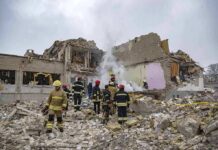
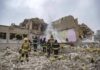
Police and rescue officials in Dera Ismail Khan said a suicide bomber drove an explosives-laden vehicle into a roadside police checkpoint on Saturday, killing at least 12 people and injuring about 35 others. The blast struck the Aman Mela area in Khyber Pakhtunkhwa province, a region hit often by militant attacks. The force of the explosion damaged nearby structures and vehicles, and it overwhelmed first responders who began triage and transport within minutes.
Shortly after the initial blast, gunmen opened fire on an ambulance that arrived to evacuate the wounded, according to officials on the scene. Such “follow-on” attacks aim to sow fear and slow rescue work. Local reporters and hospital staff described a rush to move victims to safer facilities while police secured the perimeter. Authorities said the attack targeted a joint police post, suggesting militants sought to hit a visible symbol of state control on a key road.
Conflicting Early Toll Reports and Claim of Responsibility
Early casualty counts differed among outlets, with figures ranging from 11 to 12 dead and 30 to 35 injured, as police, hospitals, and rescue teams updated numbers through the day. This kind of drift is common in the first hours after large blasts, when patients are still being counted and transferred. Several reports said the Pakistani Taliban, also called Tehrik-e-Taliban Pakistan, claimed responsibility for the checkpoint bombing in public statements carried by news organizations.
Reporters in Peshawar and Dera Ismail Khan said the bomber used a vehicle to breach or strike the checkpoint barrier before detonation. That method matches tactics used in recent years across Khyber Pakhtunkhwa, where militants have favored vehicle bombs and suicide belts against police posts and compounds. Local security officials increased patrols on approach roads and advised medical teams to expect possible secondary threats during patient transport.
Why This Fits a Larger Pattern of Violence
Khyber Pakhtunkhwa has faced a surge of militant operations that focus on checkpoints, police stations, and convoys. Analysts and officials describe a playbook that uses low-cost, high-impact blasts to test defenses and grab attention when militants cannot hold ground. Recent attacks have mixed explosives and gunfire, and sometimes have targeted responders after the first strike. Saturday’s bombing and the reported ambulance shooting track with that pattern seen across the province this year.
A suicide bombing at a security checkpoint in Pakistan killed at least 12 people and wounded dozens more in a devastating attack on law enforcement personnel. Emergency responders transported injured victims to hospitals as rescue teams worked to locate survivors in the rubble of… pic.twitter.com/6BmHEKunM1
— Ocean News (@OceanNewsUK) September 27, 2026
For Americans watching from afar, the lesson is not abstract. Fragile borders, weak institutions, and violent extremists create space for chaos, and it spreads fast. Citizens end up paying the price while elites trade blame. People on the left and the right can agree on this simple truth: when public safety fails, ordinary families suffer first and longest. Clear facts, steady support for first responders, and accountability for those who plan such attacks matter more than speeches.
Sources:
abcnews.com, pakistantoday.com.pk, aljazeera.com, arabnews.pk, theweek.in