

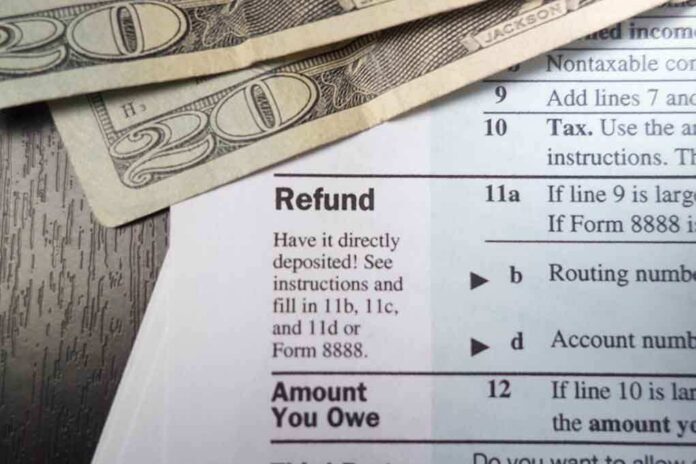
The federal government has restarted powerful tools to collect defaulted student loans, including seizing tax refunds now and warning millions that wage garnishment is coming next.
Story Highlights
- Education Department restarted Treasury tax-refund seizures in 2025 and plans wage-garnishment notices for all defaulted borrowers.
- Reports say Treasury is moving toward using private debt collectors for a much larger push affecting millions.
- Administrative wage garnishment can take up to 15% of take-home pay without a court order.
- Conflicting counts cite 5.3 million in default versus “nearly 10 million” when adding serious delinquency.
What Changed In 2025: Collections Restarted
The United States Department of Education said on April 21, 2025, that it would restart collections on defaulted federal student loans on May 5, 2025. The plan included turning back on the Treasury Offset Program, which withholds federal tax refunds and other payments to cover debts. The agency also said wage-garnishment notices would go out later, as the law requires step-by-step notice before paychecks are docked. On May 5, Education confirmed those timelines and actions.
Education’s May update put a number on the next step. It said about 195,000 borrowers would receive near-term offset notices. It also said all 5.3 million borrowers in default would later get letters warning that their pay could be garnished if they do not resolve their debt first. These are established tools. They paused during the pandemic but are now active again. That is the firm baseline from official releases, separate from what may come next.
What May Come Next: A Larger Treasury-Led Push
Multiple outlets report that Treasury is moving toward handing large numbers of defaulted loans to private debt collectors. Those reports say the plan could lead to broader wage garnishment and more offset activity for millions of borrowers. The coverage also flags that some potential contractors previously faced penalties for misleading conduct, raising concerns about oversight if they are hired again. Other reports warn that garnishment could expand as soon as late fall.
These reports track with a long-standing system. For years, defaulted loans have been worked by private collection agencies and the Treasury Offset Program. Administrative wage garnishment allows the government to take up to 15 percent of a worker’s disposable pay without going to court first. This authority comes from federal law and does not need a judge to approve each case. The question now is scale, timing, and which contractors get the work.
How The Collection Process Works And Who Is Affected
After a borrower misses payments long enough to default, the account moves into collections. The Department of Education can then seek payment in several ways. Options include Treasury offsets of tax refunds and certain federal benefits, and administrative wage garnishment after legally required notices and a chance to contest. Education’s 2025 plan returns to this workflow. It sets up a path where millions in default could face garnishment if they do not cure the default or enter a resolution plan.
Counts vary because “default” and “serious delinquency” are different groups. Education puts about 5.3 million in default for wage-garnishment notices. Some reporting cites “nearly 10 million” by combining people in default with those deep in delinquency who could tip into default later. That framing shows the larger risk pool, but only a subset is in default today and facing imminent notices. This matters for families trying to plan budgets as rent, food, and gas costs remain high.
Why Both Right And Left Are Watching Closely
Working households feel squeezed. Many on the right see years of high costs and government waste. Many on the left see rising inequality and weak safety nets. Both camps worry when the government can reach into paychecks without a judge. The system allows that for defaulted student loans. If Treasury and private collectors expand activity, the impact could hit payrolls, tax refunds, and some benefits at large scale unless borrowers get into relief options first.
Treasury is preparing to hand nearly 10M student loan defaulters to private debt collectors, with wage garnishment of up to 15% of after-tax income back on the table as soon as November. The Washington Sun reports the timing likely slips past the midterms. 1/2 pic.twitter.com/p0UMOG1qgf
— StockDuty (@stock_duty) October 26, 2026
Officials say the collection tools exist to protect taxpayers and keep lending programs solvent. Critics warn that rushed collections can push families deeper into trouble. The record shows the tools are real and active now. The reported expansion would build on them. Borrowers in default should watch for official letters, request hearings if needed, and consider rehabilitation or consolidation options to stop garnishment before it starts.
Sources:
zerohedge.com, businessinsider.com, newsweek.com, ed.gov, yahoo.com, gao.gov