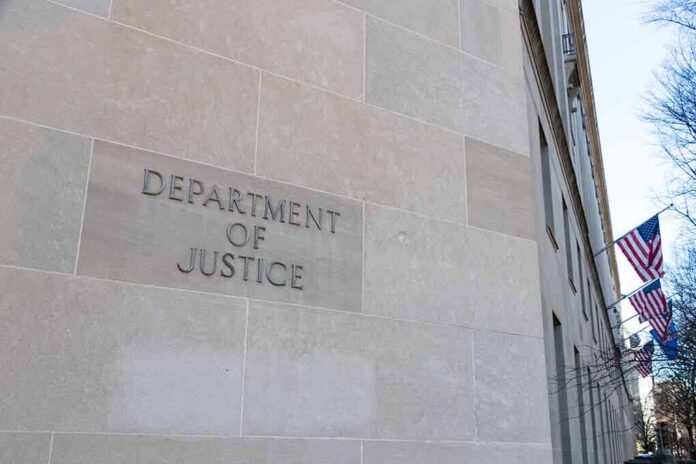
The Justice Department says a public university gave cheaper in-state tuition to some undocumented students while charging full out-of-state prices to U.S. citizens from other states.
Story Snapshot
- The Department of Justice (DOJ) sued the University of Delaware over its in-state tuition policy.
- The lawsuit says the policy favors undocumented noncitizens over similarly situated U.S. citizens.
- University materials show only Delaware residents get discounted tuition; some noncitizens can qualify under set criteria.
- The case is part of a wider national fight over tuition “equity” rules for undocumented students.
What the DOJ Alleges and What Is at Stake
On Oct. 1, the Department of Justice filed a federal complaint against the University of Delaware. The department says the school’s policy gives in-state tuition to certain noncitizens who live in Delaware but withholds that discount from U.S. citizens who live in other states. The complaint asks a judge to block the policy and declare it unlawful under federal law that bars such preferences if citizens nationwide cannot get the same benefit.
The price gap can be large. News coverage of the complaint cited resident versus nonresident tuition differences at the university running into many thousands of dollars per year. That is why the department frames the issue as direct harm to American families outside Delaware who pay higher rates while some noncitizens inside the state pay less. The filing presents this as unequal treatment of citizens compared with undocumented residents.
How the University Describes Its Policy
The University of Delaware says only state residents receive discounted tuition, and international students pay the same rates as nonresident U.S. students. Reporting that quotes the school’s policy manual adds that some students who are not U.S. citizens may qualify for in-state rates if they meet five criteria, including years in a Delaware high school, graduation, timely enrollment, and proof of permanent residency or a citizenship application.
The university has not laid out a legal defense in public. Its statement says it is aware of the complaint and is reviewing it and will not comment further while the case is pending. That leaves the court filing as the main document setting out the claims and the stakes. The university’s own sites also link to its administrative policy pages that govern tuition and residency rules.
Why This Case Taps a National Pressure Point
This lawsuit fits a broader national fight over in-state tuition for undocumented students. Many states and schools have set “tuition equity” rules that allow in-state rates based on local schooling and residence, not on immigration status. Advocacy and research groups count roughly two dozen states, plus the District of Columbia, with policies that open in-state tuition to undocumented graduates of local high schools. That is why this dispute has national echoes beyond Delaware.
Families on the right and left share a core worry here. They see rules that seem to reward connections to the system, not fair treatment for citizens who also pay taxes. Supporters say local graduates should not be priced out of college. Critics say the cost burden shifts to citizens in other states. The court will now test whether the university’s criteria cross the legal line that the department says Congress set years ago.
What Comes Next and What to Watch
The judge will decide whether to pause the policy while the case moves forward, and then rule on the merits. Watch for how the court reads federal limits on benefits for people who are not lawfully present and whether a residency test based on local schooling can stand. Also watch whether other colleges change policies ahead of rulings, as this case follows a series of department actions targeting similar rules in other places.
Sources:
thegatewaypundit.com, justice.gov, yahoo.com