Wisconsin’s Democratic primary upended months of polling when David Crowley edged past polling favorite Francesca Hong to win by a narrow margin.
Story Highlights
- Pre-primary polls and coverage framed Francesca Hong as the frontrunner.
- David Crowley won the Democratic nomination in a late upset.
- Large undecided shares and a shifting field weakened poll reliability.
- Crowley’s re-entry and a key endorsement likely moved late-deciding voters.
What Actually Happened on Primary Night
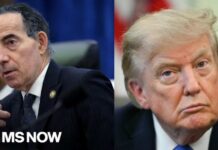
Wisconsin Democrats chose Milwaukee County Executive David Crowley as their nominee for governor, despite weeks of news casts calling State Representative Francesca Hong the favorite. The final margin was close, but real. Major outlets described the result as an upset because Hong had led limited public polling before Election Day. The race’s outcome forces a fresh look at what those polls measured, and how much the late-campaign shifts changed voter choices.
The narrative before the vote leaned on snapshots that showed Hong ahead, while also admitting a high number of undecided voters. Reporting tied to Marquette Law School polling said Hong topped the field in consecutive surveys, even as nearly half of registered voters had not picked a candidate in mid-July. When many voters remain undecided, small late moves can flip a result. That is exactly what the final count suggests happened here.
Why The Polls Struggled to Match the Result
Volatile field changes made late polling less useful as a forecast. The candidate lineup shifted quickly in July, with exits and re-entries that scrambled voter cues and media coverage. Crowley re-entered the primary after a brief withdrawal and secured an endorsement from outgoing Governor Tony Evers, moves that can boost name recognition and signal viability to undecided or wavering voters. Those steps likely landed after the most-cited polling windows and helped drive Crowley’s late climb.
Coverage on election night captured the surprise: Crowley, framed as a centrist, topped a democratic socialist who had been leading in polls. A large undecided bloc magnified the swing. PBS Wisconsin had also stressed that the race looked “wide-open,” and that earlier polling showed many voters still making up their minds. Put together, the record points less to a single polling error and more to timing, churn, and turnout patterns that public surveys did not fully catch.
What This Miss Says About Power, Process, and Trust
Primary polling is hard. The electorate is smaller, turnout is uneven, and the field can change fast. In Wisconsin, those factors all showed up at once. The lesson cuts across left-right lines: people want numbers they can trust, yet the tools often lag behind real-world shifts. When polls set a story line that later breaks, voters see another reason to doubt institutions that feel distant and self-protective. That fuels a shared worry that process beats substance in modern politics.
BREAKING: Wisconsin Democrats narrowly rejected DSA-backed Rep. Francesca Hong. The bigger story: she came within a few thousand votes of winning the governor nomination. The progressive movement didn’t win, but it came close. 📡 https://t.co/KfZIaomCBh
— The Public Signal News Network (@PublicSignalX) August 12, 2026
For citizens, the stakes are practical. Polls can shape donations, media time, and who gets on a debate stage. If the snapshots are stale, campaign resources may chase the wrong targets while real concerns—work, prices, safety, schools—take a back seat. The Wisconsin primary shows how fast momentum can move when endorsements, fundraising, and local energy align late. The cleaner fix is more transparency from pollsters, clearer caveats from media, and better focus on actual voter turnout data.
Sources:
youtube.com, pbswisconsin.org, wisconsinwatch.org, apnews.com