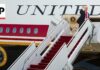

For about an hour Tuesday night, a single airline’s computer glitch froze a huge slice of America’s skies, reminding travelers how fragile our high-tech systems have become.
Story Snapshot
- The Federal Aviation Administration (FAA) ordered a nationwide ground stop for all American Airlines flights after a systemwide information technology outage.
- American Airlines says the “technology issue” was brief and that systems came back online as flights slowly began departing again.
- The halt lasted under an hour, but about 1,100 flights were delayed and more than 200 were canceled, stranding passengers across the country.
- The exact cause of the outage is still unclear, and the incident adds to growing worries that complex travel systems keep breaking while leaders offer only vague explanations.
Nationwide Ground Stop Triggered by a Single Outage
The Federal Aviation Administration (FAA) said Tuesday evening that all American Airlines flights were put under a nationwide ground stop because of a systemwide information technology outage. Planes already in the air were allowed to land, but departures were frozen at airports across the United States. The FAA advisory described the problem simply as an “IT outage,” offering no public detail on which systems failed or why. For travelers, that short phrase meant missed connections, hours stuck in terminals, and growing anger toward a system that seems to break too often.
According to flight tracking data cited in news reports, the ground stop began around 6:30 p.m. Eastern time and was lifted at about 7:18 p.m., lasting less than an hour. Even in that short window, the impact was large. FlightAware figures reported by Reuters and others showed about 1,100 American Airlines flights delayed—roughly 30 percent of the airline’s daily schedule—and 221 flights canceled, about 6 percent of the schedule. That means thousands of people were thrown off their travel plans in under 60 minutes, showing how quickly a single failure can ripple through a national system.
American Airlines’ Brief, Vague Explanation
American Airlines posted a short statement on X saying “a technology issue briefly impacted connectivity for some of our systems on Tuesday evening.” The airline added, “Systems are coming back online now and flights are departing again,” and said it had put a “temporary ground stop in place while our teams worked to resolve the issue.” In another message, the company said its information technology team was working “as quickly as possible” to restore systems. These comments aimed to calm fears and stress that the problem was contained, but they did not explain what broke or how the fix worked.
This communication style matches a pattern seen in earlier American Airlines outages tied to outside vendors and software problems. In those cases, American also described a “technology issue,” said systems had been safely reestablished, and praised internal tech teams for quick recovery. The airline’s latest statement again focused on speed and safety, not on technical details. For passengers and taxpayers, this can feel like the same script: big disruption, short apology, and few hard facts about why the system failed or what will change to prevent the next one.
Passengers Face Real-World Pain While Leaders Talk in Generalities
News outlets reported scenes of confusion and frustration at major airports as American Airlines passengers learned that flights were suddenly halted nationwide. Travelers saw crowded gates, long lines at customer service desks, and families trying to rebook trips on their phones. Many were already uneasy from past outages and from broader worries about rising costs and shrinking service. When they hear phrases like “technology issue” without clear answers, it reinforces a feeling that powerful companies and agencies are not being fully transparent or accountable.
An American Airlines IT outage prompted the FAA to issue a ground stop, preventing planes from taking off Tuesday evening. https://t.co/c6x3vAimtJ
— WBIR Channel 10 (@wbir) July 29, 2026
This outage did not appear to spread to other airlines or the larger National Airspace System, but it still showed how dependent the country is on complex computer networks that most people never see. In recent years, American Airlines and other carriers have suffered multiple system breakdowns tied to vendors and software updates, sometimes stopping flights across entire regions. Each time, officials promise fixes, yet disruptions keep returning. For conservatives and liberals alike who believe the “deep state” and big corporations protect themselves first, another vague explanation from a major airline fits a growing story: regular people pay the price whenever the system fails.
Unanswered Questions About Technology and Accountability
As of the latest reports, neither American Airlines nor the FAA has shared a detailed root-cause report explaining the exact failure behind Tuesday’s shutdown. There is no public breakdown of which systems crashed—such as reservations, dispatch, or crew scheduling—or what specific changes were made before service was restored. Without that information, citizens must trust brief corporate statements and secondhand media descriptions rather than clear, technical proof. That gap feeds suspicion that leaders hide problems or downplay deeper risks in order to protect reputations and stock prices.
Experts say real accountability would require more than a tweet. It would mean the FAA releasing the full text and timing of its advisory, airports sharing operational logs, and American Airlines publishing a plain-language incident report that names the failed system, the vendor involved, and what safeguards are being added. In a time when many Americans see government and big business as part of one elite class, such transparency is one way to rebuild trust. Until then, each new outage—no matter how “brief”—will feel like another warning that the country’s critical systems rest on shaky ground, and that ordinary travelers are left to deal with the fallout while decision-makers move on.
Sources:
independent.co.uk, news.aa.com, cnn.com, timesofindia.indiatimes.com, yahoo.com, nytimes.com, usnews.com, bbc.com, cnet.com, livemint.com