NATO’s promise of an “irreversible path” for Ukraine into the alliance is colliding with political hesitation, massive spending pledges, and growing public doubt about who really benefits from this endless war machine.
Story Snapshot
- Mark Rutte and Volodymyr Zelenskyy met in Kyiv and at NATO summits to push Ukraine’s path into NATO and secure more air defense support.
- Rutte says allies agreed Ukraine is on an “irreversible” path to NATO membership, yet admits some countries still block a formal invitation.
- Trump and Rutte linked huge new weapons flows to Europe paying more, as leaders now talk about defense spending up to 5% of national output.
- Sensational media clips praise “Daddy Trump” and claim Putin is “speechless,” while real details on costs, timelines, and risks stay vague.
Rutte and Zelenskyy Push Ukraine’s NATO Path
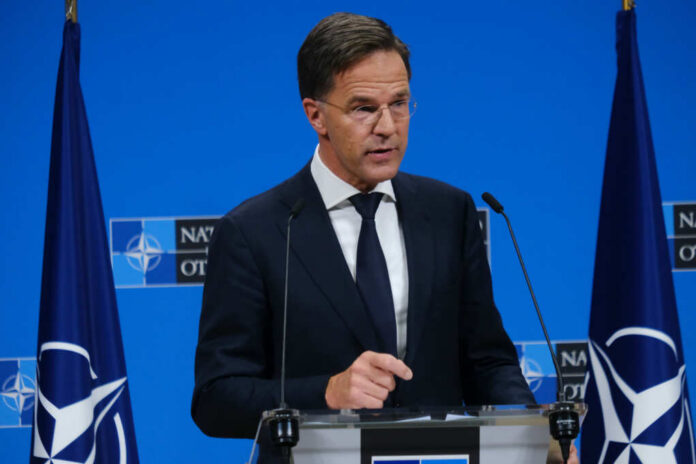
NATO Secretary General Mark Rutte has made Ukraine’s future inside the alliance a central message in his meetings with President Volodymyr Zelenskyy. In Kyiv, Rutte brought the whole North Atlantic Council for a first NATO-Ukraine Council session and said this “historic” step shows a strong bond with Ukraine. He described a political decision by allies that Ukraine is on an “irreversible path” into NATO, even as the country still fights a brutal war with Russia.
At joint press events, Rutte often pairs this promise with talk about practical support, like training, planning for new brigades, and long-term security agreements. Zelenskyy, for his part, welcomes the language on membership but admits it is a matter of “the future, not the present,” because some NATO members will not yet agree on a formal invitation. This gap between big words and slow action feeds public doubts on both the right and the left about whether global promises ever turn into real security.
Air Defense Deals and Rising Defense Spending
Behind the speeches, Rutte and Zelenskyy have focused heavily on air defense, especially United States-made interceptors to stop Russian missiles and drones. Rutte has described a program where NATO allies buy lethal weapons and air defense systems from United States stockpiles, paid for mainly by Europeans, and then ship them to Ukraine through NATO channels. He has said United States equipment contracted earlier still flows to Ukraine at about one billion dollars per month as it comes out of factories.
Rutte also backs a sharp jump in European defense budgets, saying leaders agreed in The Hague to move toward spending five percent of their economies on defense, including air defense for Ukraine. This five percent idea goes far beyond the old two percent NATO target and means hundreds of billions more over time. For many citizens already struggling with inflation and high energy costs, that looks less like “security” and more like a blank check to arms companies and political elites.
Trump, NATO, and Pressure to End the War
Rutte has tied part of this support plan directly to talks with President Donald Trump. In a bilateral meeting, Trump and Rutte discussed Ukraine’s defense needs and agreed the United States would massively supply weapons through NATO systems, if Europeans picked up more of the bill. Later, Rutte publicly defended Trump and praised his push for higher spending, even as some allies worried this demand for “absolute loyalty” could deepen splits inside NATO.
At the same time, the Trump White House has signaled impatience with the war’s length, saying neither side is “really making progress” and planning to press Zelenskyy on steps to end the war. That creates a tension inside the alliance. Rutte insists Ukraine must “prevail” and will “be in NATO,” while the main power behind NATO, the United States, is led by a president who wants both more European money and a faster path to some kind of deal with Russia. Ordinary Americans see these mixed signals and wonder whether anyone in Washington or Brussels is truly focused on peace, rather than politics.
Alliance Hesitation and the Deep State Feeling
Despite Rutte’s strong language, he has admitted there is still no unanimity on Ukraine’s NATO membership. In other speeches he points out that some countries, including Germany, Slovakia, Hungary, and at times the United States, are holding back on Ukraine’s path, fearing escalation or costs they cannot sell at home. This fits a long pattern where NATO makes big public promises, but delays hard decisions when they might anger Moscow or voters.
@ZelenskyyUa Ready for Peace, Putin Refuses: Rutte Says Russia Is Bleeding and Ukraine Is Rising!
NATO Secretary General @SecGenNATO Rutte delivers a powerful message on the war in Ukraine ahead of the 2026 NATO Summit in Ankara: President Volodymyr Zelenskyy is ready to sit down… pic.twitter.com/g4AsPYPR4f— euDebates.tv (@eudebates) July 7, 2026
For many people on both the right and the left, this looks like classic “deep state” politics: leaders talk about values and unity, yet real choices happen in closed rooms, shaped by defense contractors and career officials. Citizens watch leaders pledge tens of billions more for war while their own wages lag and basic services feel broken. The sense that the system serves the powerful first is not a fringe view anymore; it is a shared frustration across party lines.
Sensational Media and the Missing Details
While these talks shape the future of European security, much of the public sees the story through short, loud clips online. Some channels frame Rutte’s moves with titles like “Putin SPEECHLESS” or call Trump “Daddy Trump,” turning complex diplomacy into simple hero-versus-villain drama. Algorithms boost those videos because they drive clicks, even when they skip hard questions about cost, timelines, or risk.
Important details remain blurry. There is still no public breakdown of exactly which air defense systems will arrive when, how long United States stockpiles can sustain current flows, or what a five percent defense spending world would mean for taxes and social programs. There is also little open debate from inside NATO challenging the “irreversible path” line, even though some governments clearly have doubts. For Americans and Europeans who already feel their governments are failing them, this mix of hype, secrecy, and huge money only deepens the worry that decisions about war and peace are being made far above their heads.
Sources:
youtube.com, cbsnews.com, nato.int, pbs.org, united24media.com, english.nv.ua, facebook.com, reddit.com