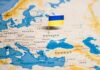
Uganda’s long-ruling president pulls the plug on the internet right before elections, silencing 21.6 million voters in a blatant power grab that echoes the government overreach conservatives fought against under Biden’s regime.
Story Snapshot
- Uganda imposed a nationwide internet shutdown on January 15, 2026, during presidential voting, blocking access to information and communication for millions.
- President Yoweri Museveni, in power since 1986, continues a pattern of digital blackouts seen in 2016 and 2021 elections to suppress opposition.
- Starlink services disabled earlier in January, eliminating independent internet options ahead of polls.
- Widespread polling delays and heavy military presence compound fears of rigged outcomes and violence.
Election Day Blackout Begins
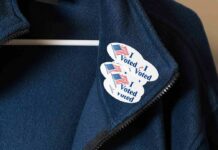
Voting started on January 15, 2026, amid a complete nationwide internet shutdown enforced by Uganda’s government. Mobile networks blocked public access at 18:00 the previous day following a directive from the Uganda Communications Commission (UCC). This preemptive measure cut off 21.6 million registered voters from news, social media, and coordination tools. Polling stations faced massive delays; one voter arrived at 7:30 a.m. for a 7:00 a.m. opening but found no voting machines. Heavy police and military deployments heightened tensions on streets nationwide.
Uganda cuts internet off
UCC orders internet blackout ahead of Thursday’s polls
Uganda also bans sale and registration of new sim cardsNo outbound data roaming to one network area countries
Thembo: Block all non-essential public internet traffic#CitizenExplainer pic.twitter.com/lUVB77IDE4— Citizen TV Kenya (@citizentvkenya) January 13, 2026
Historical Pattern of Suppression
Uganda’s authorities have restricted the internet during elections since 2011, tightening control under President Museveni. In 2016, restrictions prompted lawsuits against the government and telecoms, but courts delayed and dismissed cases without precedent. The 2021 elections saw a four-day blackout blocking Facebook, WhatsApp, Instagram, and over 100 VPNs; Facebook remains inaccessible today. Pre-2026, opposition campaigns faced gunfire, one death, and hundreds of arrests, mirroring crackdowns on critics.
Government Directives and Denials
Early January 2026 brought the UCC’s order disabling Starlink for lacking a local license, removing a key alternative to state-controlled networks. A January 13 directive, circulating online, ordered operators to halt the internet, though UCC never confirmed it publicly. Ministry of ICT officials like Dr. Aminah Zawedde and UCC’s Hon. Nyombi Thembo called shutdown rumors “false and misleading” even as blocks took effect. The Electoral Commission’s Acting Secretary claimed necessity against “uncontrollable” misinformation.
International bodies appealed in vain. The African Commission on Human and Peoples’ Rights warned on January 6 about rising curbs on expression and media. Access Now’s #The KeepItOn coalition, with 345 organizations, urged open access to protect democratic processes.
Impacts on Voters and Democracy
Citizens lost real-time election information, hindering monitoring and opposition outreach. Observers struggled to track voting, closures, and counts. Businesses faced digital commerce halts. Long-term, shutdowns question the legitimacy, normalize restrictions, and erode rights to expression, assembly, and participation. Experts note they entrench incumbents by creating misinformation vacuums and silencing dissent, as seen in Tanzania’s 2025 blackout.
Legal challenges from past shutdowns failed due to delays and opacity, enabling repeats. CIPESA warned this could cement history of managing dissent over democracy. For Americans watching abroad, Uganda’s tactics highlight why President Trump prioritizes strong borders and free speech—overreach anywhere threatens liberty everywhere. Limited data on exact presidential sign-off persists, but the pattern underscores institutional control.
Sources:
ACHPR Press Statement on Escalating Restrictions
ABC News: Voting Begins in Uganda’s Presidential Election Amid Internet Shutdown, Delays
Access Now: #KeepItOn Uganda Ahead of 2026 Elections
CIPESA: Uganda’s Election and the Question of Internet Access
Africa Check: Uganda Communications Regulator Denies Notice on Internet