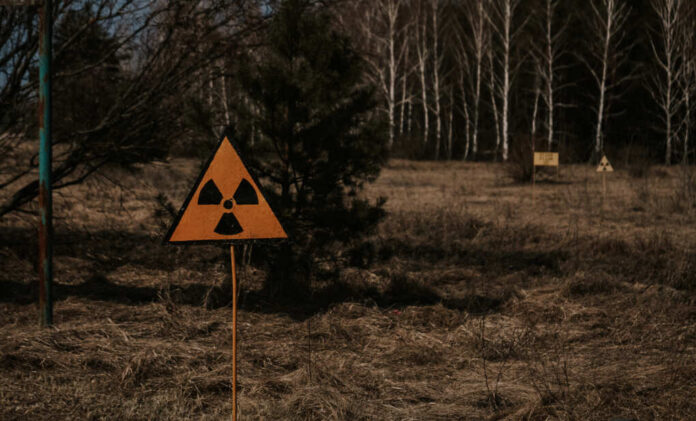
A mysterious fog blankets California, sparking fears of toxic threats, yet it’s a natural, misunderstood phenomenon.
Story Snapshot
- The so-called “radiation fog” in California is actually a natural meteorological event.
- Social media panic is driven by misconceptions regarding the fog’s nature and safety.
- The fog’s persistence in 2025 is due to unusual weather patterns and high-pressure systems.
- Experts confirm the fog poses no toxic or radioactive threat, just reduced visibility.
Understanding the ‘Radiation Fog’ Phenomenon
The recent “radiation fog” covering California’s Central Valley has caused widespread concern, but it’s crucial to clarify that this fog is neither radioactive nor toxic. It is a natural occurrence known as tule fog, formed through radiative cooling after heavy rains. This event was sensationalized as a mysterious hazard, but it is a common meteorological phenomenon in the region. The term “radiation” in this context refers to the radiative cooling process, not nuclear or chemical radiation.
Historically, tule fog forms under specific conditions: clear skies, calm winds, and high humidity following storms. In 2025, a record wet autumn saturated Central Valley soils, with a high-pressure system trapping moist air, creating perfect conditions for the fog. This year’s event is notable for its persistence at higher altitudes due to warmer temperatures, differing from the denser ground-level fog seen in the past.
Expert Analysis and Public Response
Experts like UCLA’s Daniel Swain have explained that the fog’s persistence is due to warmer temperatures and a stabilizing high-pressure system. NASA and NOAA have documented the fog’s extent through satellite imagery, providing visual confirmation of this meteorological event. Despite the alarming name and social media rhetoric, the fog is not dangerous beyond visibility challenges, which have historically led to traffic accidents.
Local media and meteorologists have worked to debunk myths and provide clarity. However, the power of social media to amplify fears remains significant, underscoring the need for informed, scientific communication. The fog’s effects, while disruptive to visibility, are countered by the benefits it brings to agriculture, providing much-needed moisture to the region’s crops.
Implications and Future Considerations
While the 2025 fog event is notable, the long-term trend shows a decline in tule fog occurrences. This is due to cleaner air, urbanization, and climate change. The Central Valley’s unique geography continues to make it prone to such fog events, but the decreasing frequency may alter future agricultural and environmental conditions. It’s essential for residents and policymakers to continue monitoring these patterns for safety and planning purposes.
What is the mysterious ‘radiation’ fog blanketing California – and is it dangerous? – The Independent https://t.co/WiCLARfA7D
— Rich Newbold (@drnewbold) December 22, 2025
The economic impacts of such fog events include potential highway delays and increased accident risks. Politically, this highlights the importance of climate monitoring and the dissemination of accurate information to prevent misinformation-driven panic. The collaborative efforts of scientists, agencies, and media are crucial in maintaining public calm and understanding.
Sources:
NASA Earth Observatory: An Unrelenting Tule Fog
Wikipedia: Tule Fog
LA Times: Social Media Users in Central Valley Are Freaking Out About Unusual Fog
CapRadio: Dense Fog Visible But Becoming Less Common