
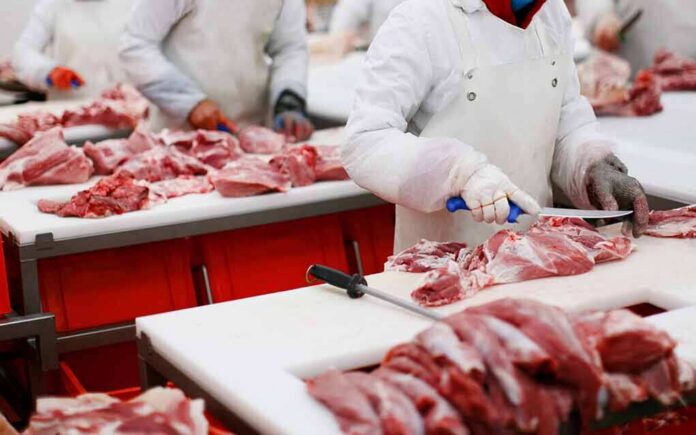
Florida officials shut down an Orlando halal butcher shop after video and witness accounts led to six arrests on animal cruelty charges.
Story Highlights
- Investigators charged six people after reviewing video of a June 2025 public slaughter event.
- The manager faces nine counts of aggravated animal cruelty with intent to torture, among other charges.
- Agriculture officials cited earlier federal welfare violations at the same facility.
- Federal officials revoked the shop’s ability to slaughter animals without inspectors present, reflecting the case’s severity.
State Charges Follow Graphic Footage From Public Slaughter Event
Florida Attorney General James Uthmeier announced the arrests of six people tied to Ali Meat International in Orlando after authorities reviewed video of a June 6–7, 2025 public slaughter event. The charges include aggravated animal cruelty and conspiracy. Prosecutors allege animals had their throats cut while conscious and were subjected to electric prods and sawing. The case stems from an Animal Outlook complaint that provided the footage to state authorities and requested enforcement action.
Animal Outlook’s investigation page says the video shows lambs, goats, and cattle being slaughtered without stunning or pain control. The group states members of the public attended the event and were allowed to film. The organization submitted an enforcement packet to the Florida Department of Agriculture and Consumer Services on August 26, 2025, arguing there were at least 25 violations under state law. The packet included described clips and supporting materials for investigators to review.
Facility History And Federal Oversight Add Weight To The Case
The Animal Outlook filing cites a 2021 suspension by the United States Department of Agriculture after an employee threw a conscious lamb against a metal fence. It also cites a 2024 federal noncompliance report involving a failed stunning attempt on a calf. These reported events predate the 2025 public slaughter and suggest a pattern of welfare failures at the same facility, according to the complaint materials provided to state officials.
The Sun Sentinel reported that Agriculture Secretary Brooke Rollins said federal officials revoked Ali Meat’s permission to slaughter livestock without federal inspectors present. That step is significant because it limits operations and reflects federal concern over humane handling. Federal action followed state charges that include aggravated animal cruelty with intent to torture against the manager, as well as other felony counts against multiple defendants.
Specific Allegations And The Legal Process Ahead
Attorney General materials and local reports identify six defendants, including manager Nadeem Shakeel, who faces nine counts of aggravated animal cruelty with intent to torture. Other charges listed in coverage include conspiracy, aggravated cattle abuse or killing, and grand theft of a firearm. Authorities said more charges could follow as the investigation continues. As with any criminal case, the defendants are presumed innocent unless a court finds otherwise after due process.
People magazine and local outlets highlighted a disturbing claim that workers forced a 12-year-old to slit a sheep’s throat during the public event. Officials described the recorded treatment as torture. Prosecutors and animal welfare advocates argue the case shows how public slaughter events can expose animals to severe pain and risk. The alleged acts, if proved, would violate Florida laws that ban cruelty and require humane handling and slaughter practices.
Why This Matters: Accountability, Faith Practices, And Uneven Enforcement
This case sits at a tight crossroads of criminal acts and religious slaughter rules. United States law protects religious slaughter, but it does not protect cruelty. Government watchdogs have long noted uneven enforcement of humane handling rules across facilities. Federal datasets and reviews show repeated enforcement challenges, which worry many Americans who believe powerful players cut corners while regulators look away until news breaks and an arrest is made.
Many readers see a bigger pattern here: when oversight fails, the most basic standards get ignored, and families lose trust. Conservatives and liberals both complain that big institutions only act after public outrage. This case shows that video evidence and a paper trail can force action. It also shows that clear rules and steady inspections matter, whether the plant is religious or not, so animals are treated humanely and the law is followed.
What To Watch Next
Watch for court filings that detail who did what and when. Look for any plea deals or trials and any added charges. Track what federal inspectors require before any restart of operations. Finally, expect debate on how to honor religious practice while enforcing anti-cruelty laws. The justice system will decide guilt, but the policy question is larger: steady rules, equal enforcement, and no exceptions for abuse—no matter who runs the plant.
Sources:
redstate.com, animaloutlook.org, keysnews.com, nbcmiami.com, sun-sentinel.com, people.com