
The Pentagon’s newest uniform order is raising eyebrows across the Right because it looks like “stripping rank,” even though chaplains are keeping their commissions—and the change is bigger than a patch on a sleeve.
Quick Take
- Pete Hegseth announced two Chaplain Corps reforms cutting faith affiliation codes from 200+ to 31 and replacing visible rank insignia with religious insignia.
- Multiple outlets stress chaplains keep their officer rank and pay; the shift is about what’s displayed on the uniform, not a demotion.
- Hegseth argues the change lowers barriers for service members who hesitate to approach higher-ranking chaplains for confidential guidance.
- The Pentagon’s move is described as unprecedented in modern practice because chaplains traditionally wear both rank and religious symbols.
What Hegseth Ordered—and What He Didn’t
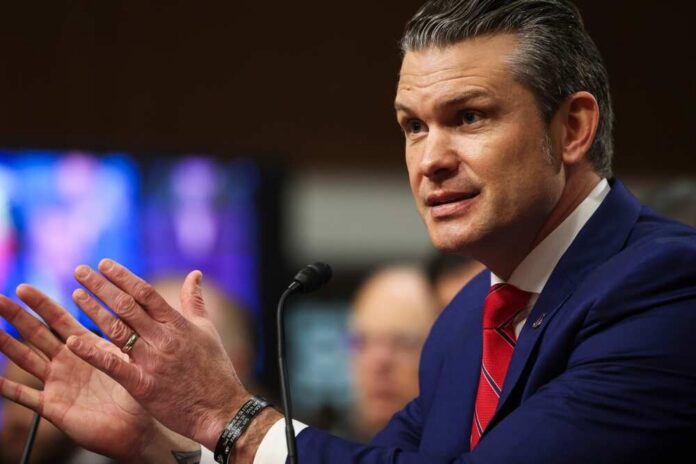
Secretary of War/Defense Secretary Pete Hegseth used a video announcement to lay out the new direction: chaplains will replace rank insignia on their uniforms with religious insignia while retaining their rank as officers. At the same time, the department will reduce religious affiliation codes from more than 200 to 31. Reporting across outlets agrees on the core facts, even as headlines sometimes imply “rank removal.”
The distinction matters because the most inflammatory framing suggests a punishment or an attack on the chain of command. The policy, as described, preserves formal authority—commission, pay, and officer status—while changing what’s visible. For supporters, it reads like a cultural correction toward chaplains as spiritual leaders first. For skeptics, it’s a uniform-level rebrand that could create new confusion.
Why the Pentagon Says Rankless Sleeves Help Troops Seek Help
Hegseth’s stated rationale centers on access and trust. Chaplains often deal with sensitive issues—faith struggles, addiction, relationships, and moral questions—where confidentiality and comfort drive whether a service member reaches out at all. The Pentagon position, as described in coverage, is that visible rank can make a junior troop hesitate before approaching a senior officer. Replacing rank with religious insignia is meant to reduce that hesitation.
This argument fits a practical reality many conservatives recognize: people open up more readily to someone they perceive as a pastor, priest, rabbi, or minister, not a bureaucrat with an oak leaf or eagle. The sources also describe the change as elevating chaplains’ “sacred calling” and “moral anchor” function. What remains unclear is how day-to-day authority will be signaled in operational settings where rank cues are often immediate and consequential.
Faith Codes Cut from 200+ to 31—Streamlining or Squeezing?
The second reform is administrative but potentially more consequential long-term: a reduction of religious affiliation codes from more than 200 to 31. Hegseth’s team describes the existing system as impractical and says a large share of religious service members use only a small number of categories. One report notes Military Times could not independently verify the exact size of the code system or usage claims, which is an important limitation when judging how urgent the fix truly was.
Streamlining can be reasonable in a military that runs on standardization, and many conservatives are tired of bloated taxonomies that feel like “DEI by spreadsheet.” At the same time, the sources do not fully address how minority faith groups—or those outside the major categories—will be handled under 31 codes. Without clearer implementation details, the real test will be whether the new codes still allow accurate faith-specific support and protect free exercise in a plural force.
Unprecedented Optics, Familiar Political Tension
As the first Pentagon directive to visually suppress chaplains’ rank insignia in favor of religious symbols, with no prior precedent cited. That novelty is why the story is spreading so fast: it’s a rare change that touches tradition, religion, and chain-of-command culture at once. The reporting also notes the broader framing Hegseth uses—“making the Chaplain Corps Great Again”—and signals additional reforms ahead.
Hegseth Just Stripped Rank from Every Military Chaplain and Replaced It with Religious Insignia: The Pentagon Has Never Done This Beforehttps://t.co/MBqTMMgUEd
— 19FortyFive (@19_forty_five) March 26, 2026
In 2026’s environment—Trump’s second term, an Iran war draining attention and trust, and a base increasingly wary of “forever wars”—moves like this get filtered through a bigger question: what reforms strengthen the force without turning the Pentagon into a political lab? Based on the available sources, this policy is not an erosion of chaplains’ legal status or a constitutional restriction on religion. It is a structural choice about identity and approachability, with real-world consequences that will depend on the memo’s details and execution.
Sources:
Hegseth Announces Reforms to Chaplain Corps
Hegseth removes rank insignia from military chaplains
Chaplains will go by religious insignia, not rank, under new Pentagon guidance