A former president’s billion-dollar vanity project is threatening to displace the very community he once claimed to champion, as low-income residents near Chicago’s Obama Presidential Center brace for gentrification they say the Obama Foundation refuses to prevent.
Story Snapshot
- Obama Presidential Center nearing spring 2026 opening expected to “turbocharge” gentrification with up to 760,000 annual visitors flooding Chicago’s South Side neighborhoods
- Residents in subsidized housing fear displacement as property values surge and University of Chicago eyes buyouts, despite Obama’s 2018 dismissal of gentrification concerns
- Obama Foundation’s $830 million private project avoided binding anti-displacement agreements, leaving tenants to fight City Council for inadequate protections
- New ordinance reserves just 25 lots for affordable housing while critics warn “red tape” will deter small landlords and fail to stop investor speculation
Obama’s Hollow Promises Come Home to Roost
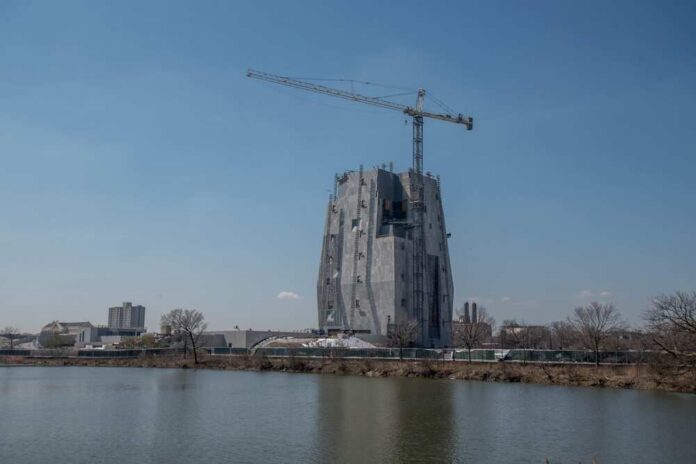
The Barack Obama Presidential Center stands nearly complete on a 19.3-acre Jackson Park campus, positioned between affluent Hyde Park and economically struggling, majority-Black Woodlawn and South Shore neighborhoods. Construction began in 2021 after the city granted a 99-year lease on public parkland, funded by $830 million in private donations plus $174 million in taxpayer-funded transit upgrades. Back in 2018, Obama himself downplayed gentrification risks at community forums while securing the sweetheart land deal. Now, as the spring 2026 dedication approaches, residents like Barbara Farmer and Anthony Edwards in co-ops and subsidized housing watch their fears materialize: rents climbing, wealthier investors circling, and the University of Chicago eyeing land for expansion tied to the presidential complex.
City Hall’s Band-Aid on a Bullet Wound
Chicago City Council responded to mounting pressure from community organizations like the Chicago Anti-Eviction Campaign and South Shore tenants unions by approving the Jackson Park Housing Pilot in September 2025. The ordinance reserves 25 lots between 60th and 71st Streets for developments with 75 percent affordable units targeting families earning under 60 percent of area median income, offering up to $3 million in tax relief and purchase rights for tenants displaced after 2015. Alderman Desmond Yancy called it “a floor and not a ceiling,” while Mayor Brandon Johnson hailed it as a “meaningful step.” Yet the ordinance covers a fraction of at-risk housing, and critics including Mike McElroy of CAR warn the added regulatory burden will scare off small landlords and investors, leaving vulnerable residents with less supply, not more.
The Real Agenda Behind the Presidential Monument
DePaul Professor Joseph Schwieterman confirmed what residents already knew: the Center acts as a “turbocharger” for gentrification, even if not the sole driver of rent increases. The complex’s museum, library branch, auditorium, gardens, and athletics facilities are designed to draw between 625,000 and 760,000 visitors annually, creating demand for hotels like the new 26-story Jackson Park project approved in 2025 with ties to Obama-connected developers. This influx fuels speculation and property value spikes that price out longtime Black residents, eroding the community fabric in neighborhoods already battered by University of Chicago expansion and investor land grabs. The Obama Foundation promotes job creation and civic engagement but steadfastly refuses binding community benefit agreements that could guarantee affordable housing or prevent buyouts—a glaring omission for a project bankrolled by nearly a billion dollars and rooted in a man who built his political career on South Side organizing.
Government Overreach Meets Elite Indifference
The political dynamics reveal a troubling pattern: well-connected elites leverage public resources and regulatory favors while ordinary citizens scramble for crumbs. The University of Chicago, a major landowner in the area, declined to comment on residents’ buyout fears, maintaining silence as its institutional footprint threatens neighbors. Meanwhile, the Obama Foundation positions itself as a community ally while sidestepping accountability, leaving Mayor Johnson and aldermen to cobble together ordinances that critics rightly dismiss as inadequate red tape. A broader 2023 anti-displacement draft was narrowed under political pressure, with South Shore protections dropped entirely. Residents originally told gentrification was “distant” now face the reality that promises from Washington insiders mean little when property values and tourist dollars are at stake. This saga underscores a core conservative truth: top-down mega-projects driven by elite vanity and government subsidies rarely serve the working families they claim to uplift.
As construction wraps toward the June 19, 2026, dedication, the community’s struggle against displacement continues. Tenant unions hold teach-ins, lobby for first-refusal purchase programs, and demand hearings, yet the power imbalance persists. The Obama Presidential Center stands as a monument not just to one man’s legacy, but to the gap between progressive rhetoric and the real-world consequences of unchecked development. For South Side residents watching their neighborhoods transform, the lesson is clear: when government picks winners and losers, everyday Americans lose.
Sources:
Obama Presidential Center may further gentrify Hyde Park – The DePaulia
Obama Center Chicago Residents Fight Displacement – Capital B News
Construction Update September 2025 – Obama Foundation