

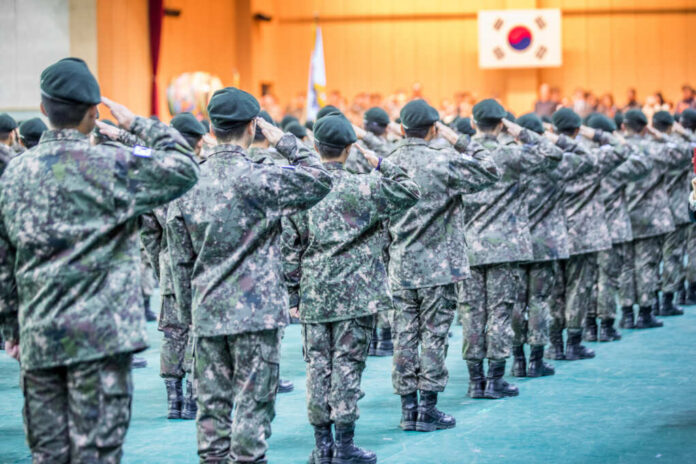
U.S. and South Korean military exercises now plan for the nightmare scenario that North Korea will launch nuclear weapons first in any conflict, abandoning decades of assumptions that nuclear use would come only as a last resort.
Story Overview
- Allied military exercises now explicitly prepare for North Korean nuclear first-use scenarios
- Expert analysis reveals North Korea’s regime survival logic makes early nuclear use more likely than other nuclear powers
- Shift represents fundamental change in deterrence strategy and threat assessment
- North Korea’s conventional military weakness creates “use-it-or-lose-it” nuclear calculus
Dangerous Shift in Military Planning
The 2025 Ulchi Freedom Shield exercises mark a watershed moment in allied defense planning. For the first time, U.S. and South Korean forces are training for scenarios where North Korea deploys nuclear weapons at the outbreak of hostilities, not as a desperate final act. This represents a stark departure from decades of military doctrine that treated nuclear escalation as gradual and predictable. The change reflects harsh realities about Kim Jong Un’s regime and its willingness to gamble with nuclear fire.
Regime Survival Drives Nuclear Logic
Security expert Robert E. Kelly’s analysis reveals why North Korea differs fundamentally from other nuclear powers. Unlike Russia or China, North Korea’s regime faces existential threats in any major conflict due to its conventional military inferiority. The Kim dynasty’s survival depends entirely on maintaining power, creating powerful incentives to use nuclear weapons before allied forces can eliminate the regime’s arsenal. This “use-it-or-lose-it” calculation makes North Korea’s nuclear threats more credible than those from stronger nations.
Strategic Implications for America
The shift in military planning raises serious questions about U.S. extended deterrence commitments. If North Korea credibly threatens nuclear first-use, will American presidents risk nuclear retaliation against U.S. cities to defend Seoul? This uncertainty could undermine alliance structures that have maintained peace for decades. The defense industry responds with increased demand for missile defense systems, but no technology can guarantee protection against a determined nuclear adversary willing to strike first.
Threat to Constitutional Defense
North Korea’s nuclear posture directly challenges America’s constitutional obligation to provide for the common defense. The regime’s willingness to use nuclear weapons first puts U.S. forces in Korea at unprecedented risk and potentially constrains American military options in defending allies. Previous failed diplomatic efforts, including Trump-era summits, demonstrate that negotiation alone cannot resolve this growing threat. The situation demands serious consideration of enhanced deterrence measures and missile defense capabilities to protect American interests and personnel.
North Korea is the threat DC has forgotten or doesn't want to think about. @Robert_E_Kelly will likely get some folks' attention with this essay: https://t.co/Z8tOEWFefG
— Harry Kazianis (@GrecianFormula) September 16, 2025
Current intelligence assessments confirm North Korea continues modernizing its nuclear arsenal while issuing explicit preemptive strike threats. The muted response to recent U.S.-South Korea exercises suggests Pyongyang views such drills as routine, potentially indicating confidence in its nuclear deterrent. This normalization of nuclear threats represents a dangerous escalation that previous administrations failed to adequately address through diplomatic engagement or economic pressure.
Sources:
North Korea raps upcoming South Korea-US drills mildly
Lost Seoul: Assessing Pyongyang’s Other Deterrent
North Korea Seems Likely to Use Nuclear Weapons First America Needs to Think It Through
North Korea Can Nuke the U.S. Mainland Will America Still Defend South Korea