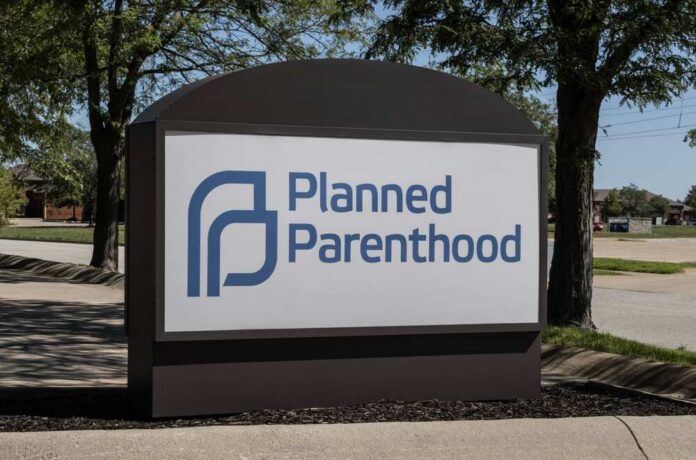
Two Planned Parenthood clinics in Indianapolis are ending in-person services, but the real fight is over who pays—and whether taxpayers should be forced back into funding an industry many Hoosiers reject.
Quick Take
- Planned Parenthood is merging three Indianapolis-area health centers, ending in-person services at its Midtown and Southside locations in early April 2026.
- The organization says Medicaid-related funding cuts, rising healthcare costs, and a shift toward telemedicine are driving the consolidation.
- Operations will be centralized at the Georgetown Road clinic, which is expected to expand appointment availability.
- Reports describe the move as a restructuring for financial survival—not a statewide shutdown or a direct result of a new abortion ban.
Indianapolis sites consolidate as in-person services end
Planned Parenthood announced it will merge three Indianapolis health centers, closing in-person services at its Midtown and Southside sites and consolidating care at its Georgetown Road clinic. Local reporting places the final days for in-person care around April 3–6, 2026, reflecting a small discrepancy between outlets. Planned Parenthood’s statement frames the move as “difficult but necessary,” emphasizing continued access through one physical hub and telemedicine options.
This is not an Indiana-wide collapse of Planned Parenthood locations, and the sources do not describe it as a legal defeat stemming from a new abortion restriction. Instead, it is a targeted consolidation in Indianapolis that reduces brick-and-mortar footprint while keeping services going—an approach that can shrink local visibility and reduce overhead without surrendering market presence.
Funding pressure, Medicaid disputes, and a shift to telemedicine
Planned Parenthood and the outlets covering the story point to funding cuts—including to Medicaid—alongside rising healthcare costs as key drivers. The organization also cites changing patient behavior, saying more people are turning to telemedicine, which reduces the need for multiple physical sites. That combination—less reliable public funding and higher operating costs—creates strong incentives to consolidate into a single facility with broader scheduling capacity and more remote care.
For taxpayers and limited-government conservatives, the underlying question is whether public funding streams should underwrite an organization that remains politically and morally divisive. The reporting indicates Planned Parenthood is responding to the leverage funders have through reimbursement and program dollars. Even when a closure is described as financial rather than ideological, policy choices over Medicaid rules and public health spending still shape the playing field—often with consequences voters do not see until services relocate or disappear.
What changes for patients in Midtown and Southside Indianapolis
In the near term, patients who relied on Midtown and Southside for in-person appointments will be redirected to Georgetown Road and telemedicine. Planned Parenthood says Georgetown Road will add availability to absorb the shift. Still, fewer locations generally means longer travel times and less convenience for people living or working closer to the sites losing in-person service. It also note that low-income patients and those reliant on Medicaid can be hit hardest by reduced physical access.
That practical impact complicates the “victory” framing some activists may prefer. If services remain available through a consolidated clinic and telemedicine, the change is more about geography and capacity than outright elimination. Conservatives who argue for life should still insist on honesty about what is happening: the organization is narrowing its footprint, not shuttering statewide.
Why “victory for life” claims don’t match the reporting
The consistent throughline is cost pressure and funding disputes, with Planned Parenthood portraying the move as a way to preserve continuity of care. The timeline also underscores how operational the decision appears: announcement in mid-March, closures in early April, and immediate ramp-up at Georgetown Road.
That doesn’t mean politics are irrelevant—it means the evidence provided supports a narrower conclusion. The consolidation can still become a political talking point, especially in a post-Roe environment where states and Congress fight over healthcare dollars, oversight, and eligibility rules. But the clearest, source-backed takeaway is straightforward: Planned Parenthood is reorganizing to reduce expenses and adjust to telemedicine demand, while still keeping an Indianapolis clinic operating.
Sources:
Planned Parenthood to merge 3 Indianapolis health centers due to funding cuts
Planned Parenthood to close 2 Indianapolis sites, consolidate at Georgetown clinic
Planned Parenthood closing two Indianapolis clinics, consolidating services