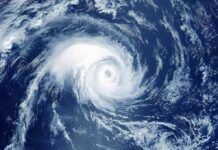
A bomb cyclone threatens to unleash chaos with hurricane-force winds and heavy snow, raising alarms across the nation.
Story Snapshot
- Bomb cyclone expected to bring extreme weather conditions and travel disruptions.
- Characterized by rapidly dropping pressure, leading to violent storms.
- Potential to cause power outages and significant infrastructure damage.
- Preparedness and response efforts are crucial to mitigate impacts.
Understanding Bomb Cyclones
Bomb cyclones are intense storms that form through a process known as bombogenesis, where atmospheric pressure drops by at least 24 millibars in 24 hours. This rapid intensification results from the collision of cold and warm air masses, often occurring over the ocean. The phenomenon results in powerful winds and heavy precipitation, causing significant disruptions. The National Oceanic and Atmospheric Administration (NOAA) regularly monitors these storms to provide early warnings.
These storms are common in midlatitude regions during winter, affecting areas like the Northeast U.S. and Pacific Northwest. Unlike hurricanes, bomb cyclones are non-tropical but can produce winds equivalent to a Category 1 hurricane. Recent occurrences, such as the 2024 Vancouver Island storm, demonstrate the potential for extreme weather, with gusts reaching 101 mph and blizzard conditions.
Impact on Communities and Infrastructure
The immediate effects of a bomb cyclone can be devastating, with hurricane-force winds and blizzards leading to power outages, road closures, and flight cancellations. Such conditions strain infrastructure, increase repair costs, and pose significant safety risks. Coastal communities are particularly vulnerable to flooding and erosion, while aviation and utilities face operational challenges. The economic impact is compounded by travel disruptions and property damage.
In the long term, repeated exposure to bomb cyclones can weaken infrastructure and heighten erosion risks. Emergency responses, including utility worker deployments and government declarations, are vital to manage these events. Public safety and infrastructure protection are primary concerns, with NOAA and meteorologists playing key roles in forecasting and preparedness.
Expert Insights on Bombogenesis
Meteorologists agree on the dangers posed by bomb cyclones, emphasizing their rapid intensification and broad impact. AccuWeather highlights the storms’ ability to lower pressure quickly, creating violent weather systems. The latitude-dependent nature of bombogenesis means the pressure drop threshold varies, affecting regions differently. Despite their non-tropical classification, the storms’ strength and potential for widespread disruption underscore the need for vigilance and readiness.
https://t.co/obAbcxwRaQ
Australia is facing a mixed bag of conditions on New Year's Eve, with Tropical Cyclone Hayley and major flooding to dampen celebrations for some.— Sky News Australia (@SkyNewsAust) December 30, 2025
With climate patterns influencing storm frequency, understanding bomb cyclones is crucial for minimizing their impact. As experts continue to study these phenomena, the focus remains on enhancing predictive capabilities and response strategies to protect communities and infrastructure.
Sources:
Merriam-Webster Dictionary: Bomb Cyclone
AccuWeather: What is a Bomb Cyclone?
UC Davis: Atmospheric Rivers & Bomb Cyclones
Wikipedia: Explosive Cyclogenesis
NOAA: Bombogenesis Facts