
A senior Hezbollah lawmaker just called Donald Trump’s new Iran deal “a real victory for Iran” and a binding promise on Lebanon’s borders — raising fresh questions about who is really calling the shots in the Middle East.
Story Snapshot
- Hezbollah legislator Hassan Fadlallah says the U.S.–Iran memorandum is “a real victory for Iran” and locks in U.S. respect for Lebanon’s borders.[1]
- The 14‑point U.S.–Iran text promises to end fighting “on all fronts, including Lebanon,” and to lift sanctions and a naval blockade on Iran.[16]
- Iran pushed to include Lebanon in the deal, while Lebanese leaders themselves were not at the table.[2][24]
- Supporters call the deal a step toward peace; critics see Washington rewarding Iran and sidelining allies while the deep state carries on as usual.[21]
What Fadlallah Is Claiming About the U.S.–Iran Memorandum
Hassan Fadlallah sits in Lebanon’s parliament as a senior figure in Hezbollah, the Iran‑backed movement that is both a political party and an armed force. In a recent clip, he described the proposed U.S.–Iran memorandum of understanding as “a real victory for Iran,” saying anyone who denies that “does not look with fairness or reality.”[1] He said Iran insisted that “all fronts, especially Lebanon” be covered, and highlighted a clause where both sides commit to Lebanon’s unity and the safety of its territory.[1]
Fadlallah argued that this means the United States is now “fully committed” to Lebanon’s territorial integrity, with no room for buffer zones or vague “yellow lines” inside Lebanese land.[1] In separate remarks, he said any U.S.–Iran agreement will have “direct repercussions on Lebanon, whether the Lebanese authorities accept it or not,” and that some Lebanese officials are being used to serve American interests, not their own people’s needs.[2] He stressed that Hezbollah has “total confidence” Iran will insist on including Lebanon in any deal.[2]
What the 14‑Point Deal Actually Says About Lebanon and Iran
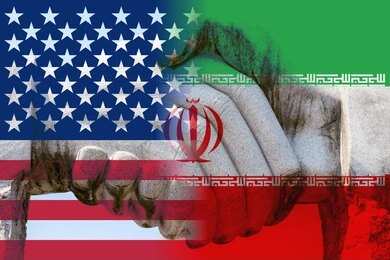
The memorandum between Washington and Tehran is a 14‑point plan that pauses a brutal air war and opens a 60‑day window for deeper talks on Iran’s nuclear program and sanctions.[23] The text, published by major outlets, states that both sides agree to “an immediate and permanent cessation of military actions on all fronts, including Lebanon,” tying any ceasefire directly to the Israel‑Hezbollah front.[16] It also calls for reopening the Strait of Hormuz, ending the U.S. naval blockade, and phasing out sanctions while giving Iran access to frozen funds.[26]
Analysts note that Iran gives up very little in the first phase beyond promising never to build nuclear weapons and agreeing to future talks.[26] One expert told Al Jazeera that Iran “achieved its strategic objectives” by forcing a two‑phase structure and winning big concessions up front: ending the war on all fronts, releasing Iranian assets, ending the blockade, and starting to suspend sanctions.[22] That balance lets both Trump and Iran’s leaders sell the deal at home as a win, even though many hard issues are delayed for later negotiations.[23]
Lebanon’s Role: Protected, Used, or Both?
Fadlallah and other Hezbollah voices frame Lebanon’s inclusion as proof that Iran defends Lebanese sovereignty when Beirut’s own leaders cannot.[3] Reuters reporting says a Western source confirmed that Iran pushed to ensure the memorandum ends fighting in Lebanon, not only in the Gulf.[20] A Council on Foreign Relations analysis notes that the deal requires hostilities to stop on the Israel–Hezbollah front, even though Iran has not agreed to stop funding its proxy forces.[24] That means Lebanon’s territory is in the text, but Lebanon’s internal armed balance is not.
For many Lebanese, that is a double‑edged sword. On one hand, people exhausted by war may welcome any clause that can stop Israeli strikes and cross‑border fire. On the other hand, the country’s fate is being bargained over in Versailles and Tehran, not in Beirut. Fadlallah himself admits American officials “will not wait for the [Lebanese] authorities because their thinking and interests lie elsewhere,” which many citizens hear as proof that their own state has been sidelined by foreign powers and local militias alike.[1]
Why Americans Across the Spectrum Are Uneasy
For U.S. readers, several red flags line up with long‑standing frustrations about foreign policy and the deep state. The memorandum delivers sanctions relief, access to frozen assets, and an end to a blockade that was supposed to pressure Iran’s rulers, even though Iran keeps its missile program and proxy network largely off the table.[23] Critics argue this rewards years of hostage‑taking, terror sponsorship, and attacks on shipping, instead of forcing real change. Supporters respond that ending a costly war and reopening oil flows serves global stability and American wallets.
Morning Briefing — Jun 19
The fragile Iran-US Memorandum of Understanding signed at Versailles faces its first major stress test as Swiss-hosted follow-on talks were abruptly canceled, with Switzerland confirming the planned Friday negotiations at Bürgenstock are off [1] and VP…
— Iran Monitor (@iranmonitor_org) June 19, 2026
There is also a trust problem. Both Iranian and U.S. officials are selling the same text as a “victory” to their home audiences, and key parts of the deal will be worked out later by diplomats and experts most voters will never see.[21] That is classic deep‑state territory: unelected negotiators locking in long‑term commitments while ordinary citizens on the right and left worry about border security, inflation, and a shrinking middle class. When a Hezbollah lawmaker boasts that Trump’s memorandum is a triumph for Iran and a binding pledge over Lebanon, many Americans hear the same old story — powerful insiders trading away risks and rewards far from public view, while regular people are told to be grateful for whatever peace they get.
Sources:
[1] YouTube – Senior Hezbollah legislator says memorandum with US ‘a real victory …
[2] Web – Hezbollah links Lebanon to US-Iran deal amid tensions with govt
[3] Web – Hezbollah confident any US-Iran deal will include Lebanon …
[16] Web – US releases official agreement with Iran. Read the 14-point text | CNN
[20] Web – What the US and Iran say is in the memorandum to end the war
[21] Web – What Iran and the U.S. Are Saying About Their Deal – WSJ
[22] YouTube – US-Iran deal reshapes regional security equation, analyst says
[23] Web – What Iran and US get from deal and why both could struggle to keep it
[24] Web – Trump’s Iran Deal: What We Know So Far
[26] YouTube – Leaked US–Iran deal: What’s in the 14-point plan? | DW News