A CIA drone strike on Venezuelan soil marks a bold escalation in President Trump’s campaign against Maduro, raising questions about covert operations and international law.
Story Highlights
- The CIA conducted its first known drone strike on Venezuelan territory, targeting a gang-run dock.
- President Trump publicly acknowledged the strike, a rare move for covert operations.
- This strike indicates a shift from naval interdictions to land-based operations against drug trafficking.
- The operation is part of Trump’s ongoing pressure campaign on the Maduro regime.
Potential implications include increased tensions with Venezuela and its allies.
Drone Strike Marks New Phase in U.S. Pressure on Venezuela
The CIA’s recent drone strike on a dock facility in Venezuela represents a significant escalation in the Trump administration’s efforts to pressure the Maduro regime. This facility, reportedly used by the gang Tren de Aragua for drug trafficking, was targeted to disrupt the flow of illegal narcotics. The operation marks the first confirmed U.S. land-based strike in Venezuela, expanding previous sea-based military actions against drug boats.
This move follows years of U.S. sanctions and naval interdictions aimed at isolating Venezuela economically and politically. The Trump administration’s “maximum pressure” strategy has seen the U.S. military conduct approximately 30 strikes on drug boats in the Caribbean and Pacific, resulting in over 100 deaths. This latest land strike highlights a strategic shift in targeting drug trafficking infrastructure directly on Venezuelan soil.
Trump’s Unprecedented Public Acknowledgment
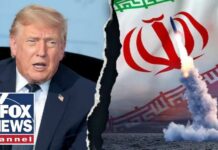
In a surprising departure from traditional covert operations, President Trump publicly confirmed the CIA’s involvement in the strike during a radio interview. He described a “major explosion” at the dock, highlighting the operation’s success in disrupting drug trafficking activities. This public acknowledgment deviates from the usual secrecy surrounding CIA operations, reflecting a bold stance in the administration’s foreign policy.
Trump’s decision to reveal the strike underscores his administration’s commitment to escalating pressure on the Maduro regime. Despite recent talks with Maduro yielding no progress, this operation signals a willingness to intensify measures against Venezuela’s leadership and its criminal networks. However, this transparency raises questions about the implications for future covert operations and international diplomatic relations.
Implications for U.S.-Venezuela Relations
The drone strike’s impact extends beyond the immediate disruption of drug trafficking activities. It sends a clear message to the Maduro regime and its allies, including Russia, China, Iran, and Cuba, about the U.S.’s resolve to counter illicit activities linked to the Venezuelan government. The operation could provoke retaliation from Maduro, potentially escalating tensions between the two nations.
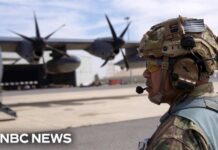
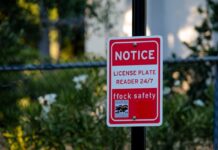
The CIA has reportedly carried out a drone strike on a dock in Venezuela allegedly used by the gang Tren de Aragua to transport drugs overseas. @SelinaWangTV has more on the dramatic escalation in Pres. Trump's pressure campaign against Venezuela. https://t.co/Pcb9HmeJVF pic.twitter.com/OhqKmCNS1k
— World News Tonight (@ABCWorldNews) December 31, 2025
In the long term, the strike sets a precedent for the use of CIA-led drone operations on foreign soil, posing questions about international law and sovereignty. It also raises concerns about the potential for further military engagement in the region, as the U.S. continues to leverage its technological and military superiority to influence Venezuelan politics. The strategic focus on drug trafficking infrastructure reflects a broader U.S. policy to curb illegal activities that undermine regional stability.
Sources:
CIA strike escalates the Trump administration’s pressure campaign on Venezuela