

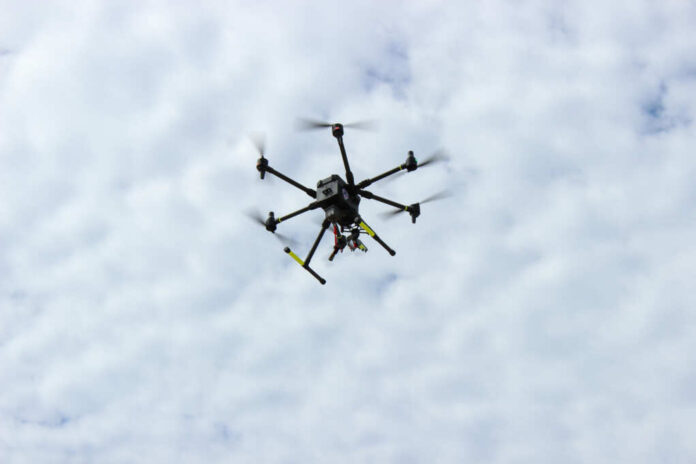
As cheap drones crowd American skies, the Air Force’s new “drone killer” weapons highlight both real progress and a worrying gap between flashy demos and actual protection for U.S. bases.
Story Snapshot
- The Air Force just showed off a shotgun-based smart sight to shoot down small drones over Tyndall Air Force Base.
- Leaders call it a “point-defense” step forward, but it is still a training demo, not a proven combat shield.
- New labs and tests across the force show a race to field both kinetic and high‑tech microwave counter-drone systems.
- Lack of public data on how well these systems work feeds distrust in a government many Americans already see as unaccountable.
Airmen Train With Smart Shotguns To Stop Small Drones
The United States Air Force recently held a live counter‑drone demonstration at Tyndall Air Force Base in Florida, using shotguns fitted with a smart fire‑control optic to shoot down simulated small unmanned aircraft systems.[2] Security forces Airmen from the 325th Security Forces Squadron showed senior leaders how they could track and engage fast, low‑flying drones using an M870 shotgun paired with the SMASH 2000 computerized sight.[2] The event was part of a broader push to prepare U.S. bases for the growing threat from cheap, commercially available drones.[2]
Air Force officials said the Tyndall program aims to qualify about 210 defenders on this weapon setup, turning them into a ready “point‑defense” line against hostile drones that slip through outer layers of base security.[2] The service describes the goal as safely and effectively knocking down low‑altitude, high‑speed aerial targets before they can reach sensitive areas or crowded facilities.[2] Major General Thomas Sherman, who leads the Air Force Installation and Mission Support Center, watched the demo in person, signaling high‑level interest in moving this kind of training from experiment toward daily practice.
From Shotguns To Microwaves: A Rapid Arms Race In The Lower Sky
The Tyndall event is one piece of a much larger counter‑drone build‑up, as the Pentagon scrambles to keep up with cheap enemy drones used in wars from Ukraine to the Middle East. Across the military, commanders are testing everything from simple guns and “drone killer” shotgun rounds to high‑power microwave weapons that fry the electronics of entire swarms at once.[5] The Air Force Research Laboratory’s THOR system, for example, has disabled groups of drones in testing using powerful microwave bursts instead of bullets or missiles.[5]
At the same time, a new Air Force Point Defense Battle Lab is collecting ideas for base‑defense tools ranging from 30 millimeter airburst cannons to laser weapons and drone‑on‑drone interceptors.[6][3] Army‑run joint demonstrations at Yuma Proving Ground, Arizona, have also tested “low‑collateral” drone interceptors meant to work safely over cities and friendly forces. A Navy lab has even demonstrated a dedicated “Drone Killer Cartridge” that achieved over a 90 percent success rate against test drones when fired from standard weapons. Taken together, these efforts show a clear trend: the military knows the lower sky is now a front line, and it is throwing many ideas at the problem at once.
Why Demos Are Not The Same As Real Protection
Despite the impressive video clips and upbeat press releases, the public record still shows important limits in these new systems, including at Tyndall. The Air Force’s own article calls the June 3 event a “demonstration” and ties it to a future training plan, not a report of real‑world shoot‑downs in combat or against unknown intruders.[2] Officials have not released data like hit rates, ranges, false alarms, or how the smart shotguns performed at night, in bad weather, or against multiple drones attacking at once.[2]
Across the force, many counter‑drone efforts share this pattern: big claims, high‑level visitors, and polished messaging, but very little public hard data that would let outsiders judge how ready bases really are.[5] A 2024 analysis from a defense think tank found the United States military still has major gaps in its ability to stop small drones, and that only a limited number of units are well trained on the systems that do exist. Installation commanders at home have also faced confusing legal limits on when they can shoot down drones, though the Pentagon has tried to expand those authorities. For citizens who already suspect the “deep state” hides failures while rewarding contractors, the lack of transparent testing reports only deepens distrust.
Shared Concerns: Security, Spending, And The Power Of Defense Contractors
Both conservatives and liberals can see reasons for concern in the counter‑drone build‑up. On one hand, Americans want bases, cities, and critical infrastructure protected from foreign spies, terrorists, cartels, or lone‑wolf actors flying small drones over sensitive sites. On the other hand, the growing list of systems and demonstrations raises hard questions about cost, oversight, and who really benefits. Many of the most advanced tools come from large defense companies that stand to gain billions if their systems are chosen for wide deployment.[5]
Heritage Foundation analysts warn that, even as new systems arrive, counter‑drone defenses remain patchy and slow to reach regular units, in part because of bureaucratic inertia and competing programs. Pentagon leaders now talk about putting “low‑collateral” kinetic interceptors at every U.S. installation, but that plan depends on funding, training time, and long‑term maintenance. For voters who see Washington as captured by wealthy insiders, the key test will not be glossy demo footage. It will be whether these tools are clearly tested, honestly reported, and actually in the hands of the men and women guarding America’s skies.
Sources:
[2] Web – Air Force Special Warfare Tests Kinetic Drone Interceptor in Counter …
[3] Web – 325th SFS demonstrates kinetic counter-sUAS capabilities to …
[5] Web – Air Force Special Warfare Tests Kinetic Drone Interceptor in Counter …
[6] Web – AFRL conducts swarm technology demonstration