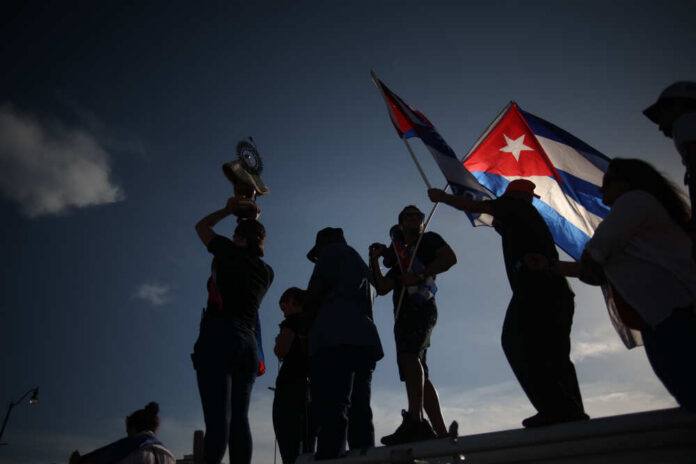
Cuba’s communist regime announced a surprise release of 51 prisoners just weeks after President Trump intensified economic pressure and threatened a potential takeover of the collapsing island nation.
Story Snapshot
- Cuba will release 51 prisoners through a Vatican-brokered agreement amid severe economic crisis and Trump administration pressure
- The announcement follows Trump’s statements that Cuba is “down to fumes” and may face a “friendly or unfriendly takeover”
- Cuban regime denies U.S. influence, but timing reveals pressure works against socialist dictatorships
- Human rights groups question whether political prisoners are included, as Cuba holds hundreds for dissent
Trump Pressure Yields Results Despite Cuban Denials
Cuba’s Foreign Ministry announced on March 12, 2026, that 51 prisoners will be released in the coming days through an agreement facilitated by the Vatican. The regime characterized the move as a “goodwill” gesture reflecting relations with the Vatican, claiming all prisoners served significant portions of their sentences with good conduct. However, the timing tells a different story. This announcement came just weeks after President Trump imposed what amounts to a virtual oil blockade and made clear statements about Cuba’s economic vulnerability, demonstrating that strong American leadership produces tangible results even from resistant communist regimes.
Economic Collapse Forces Havana’s Hand
Cuba faces its worst economic crisis in decades, compounded by multiple factors directly tied to Trump administration policies. The capture of Venezuelan dictator Nicolas Maduro on January 3, 2026, eliminated Cuba’s primary foreign benefactor and economic lifeline. Trump’s oil blockade has left the island desperate, leading the President to declare Cuba is operating on “fumes” with “no energy, no money.” The regime’s decision to release prisoners, despite public denials of U.S. influence, reveals how effective economic pressure dismantles socialist economies built on foreign subsidies and authoritarian control rather than free market principles.
Vatican Mediation Masks Political Reality
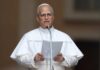
Foreign Minister Bruno Rodriguez met with Pope Leo at the Vatican approximately two weeks before the prisoner release announcement, establishing the diplomatic framework for this agreement. The Vatican has consistently served as an intermediary between Cuba and the international community, facilitating a similar release of 553 prisoners in March 2025. While Cuba frames this as a sovereign humanitarian decision aligned with Holy Week celebrations, the pattern is unmistakable. Since 2010, Cuba has released nearly 20,000 prisoners through pardons and early releases, often when facing external pressure. This mechanism allows the regime to make concessions while maintaining the facade of independence.
Political Prisoners Remain Behind Bars
Human rights organizations have raised critical concerns about which prisoners Cuba is releasing and which remain imprisoned. The regime provided no details about whether any of the 51 were held for political dissent, a glaring omission given that Cuba holds hundreds of political prisoners according to human rights groups. These are individuals imprisoned simply for opposing the communist government, speaking freely, or advocating for democratic reforms—fundamental rights Americans recognize as God-given and constitutionally protected. The lack of transparency suggests Cuba is releasing common criminals while keeping political dissidents locked away, a calculated move to appear humanitarian without actually loosening its grip on power.
Trump Strategy Exposes Socialist Weakness
President Trump’s approach to Cuba demonstrates how principled economic pressure achieves what decades of appeasement could not. Trump stated Monday that Cuba “may be subject to a ‘friendly takeover'” before adding “it may not be a friendly takeover,” making clear that all options remain on the table. This direct language, combined with concrete economic action, has forced Cuba into a defensive posture. The regime must now choose between maintaining its hardline stance and making concessions to alleviate pressure. Press reports suggest U.S. officials may be engaging with Raul Guillermo Rodriguez Castro, grandson of former President Raul Castro, though Cuba has not confirmed these discussions. This prisoner release, regardless of Cuban denials, signals that Trump’s maximum pressure campaign is working where previous administrations’ engagement strategies failed to produce meaningful change.
Sources:
Cuba to release 51 prisoners under agreement with the Vatican – The Straits Times
Cuba’s prisoner release amid Trump pressure – Miami Herald
Cuba’s Unexpected Prisoner Release: A Diplomatic Gesture – DevDiscourse