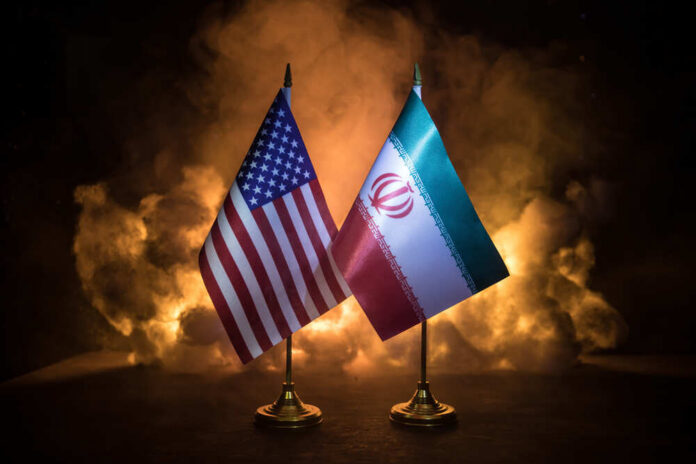
China is loudly backing the new U.S.–Iran war-ending deal while quietly reminding everyone that if any side cheats, the whole thing can blow up fast.
Story Snapshot
- China is urging Iran and the United States to fully carry out their new memorandum of understanding to end the war and reopen the Strait of Hormuz.
- The deal is only a 60-day framework, not a final peace treaty, and leaves Iran’s huge nuclear stockpile and long-term sanctions questions unresolved.[2][4]
- Iran gets the chance for oil sales and access to frozen assets only if it follows strict terms on nukes, terror funding, and the Strait staying open.[2][3]
- Beijing presents itself as a “neutral” peacemaker, but it has a deep interest in cheap oil, weak U.S. leverage, and deals policed by global elites instead of voters.[1][7]
What China Is Saying About the Iran Deal
China’s foreign ministry is praising the U.S.–Iran memorandum of understanding as a chance to “seize the opportunity for peace” and end the war, while calling on “all parties” to stick to the terms. Chinese officials have pushed the line that force cannot solve the Iran conflict and that political talks are the only way forward.[4][6] Beijing says it has kept an “objective, just and balanced” stance and wants a ceasefire, reopened shipping lanes, and talks on Iran’s nuclear program.[4][6]
Beijing is also highlighting its own role in getting Iran to the table. Reports from Western and regional outlets say China, often working with Pakistan, helped nudge Tehran toward accepting a ceasefire and a framework for negotiations.[1][2] Chinese media at home has celebrated this as proof that China is now a major crisis mediator in the Middle East, the same region where the United States once called most of the shots.[2] For China, this is not only about peace; it is about prestige and influence.
What Is Really in the U.S.–Iran Memorandum
The memorandum of understanding between Washington and Tehran is not a full peace treaty. It is a 14-point framework that creates a 60-day ceasefire, reopens the Strait of Hormuz to shipping, and starts talks on a much tougher final deal.[2][3][4] During this period, both sides are supposed to stop military operations, lift naval blockades, and let normal commercial traffic resume through one of the world’s key oil routes.[2][4]
The framework also locks in some hard conditions on Iran. Public reporting says Iran must vow never to obtain a nuclear weapon, accept the removal or destruction of its existing highly enriched uranium, keep the Strait open without tolls, and stop funding terrorist groups.[1][2][3] In return, Iran could get access to tens of billions of dollars in frozen assets and temporary relief from oil sanctions, but only after it carries out every term of the deal and shows “good faith” in follow-on talks.[1][2][3]
Why Implementation Is the Real Fight
On paper, China is right that the memorandum only works if everyone does what they promised. But the hardest questions are still open. Analysts note that the text is a provisional blueprint, not the final rules.[1][21] Timelines for when Iran must ship out enriched uranium, how inspections will work, when money is released, and what happens if someone cheats are still being argued over in side channels.[1] Even the exact wording of some points has existed in several competing versions.[17]
AFP: Both the U.S. and Iran have said that some ships have begun transiting through the Hormuz Strait. But yesterday you said that China hopes for the early resumption of safe passage. So my question is, have any Chinese ships begun transiting through the strait since the… pic.twitter.com/A4Ad6rMIpo
— Chinese Embassy in UK (@ChineseEmbinUK) June 17, 2026
Meanwhile, Iran still holds a dangerous stockpile of near-weapons-grade uranium. The Arms Control Association reports that by late 2024, Iran had enough 60 percent enriched uranium that it could produce material for several bombs in a matter of weeks if it chose to race for a weapon.[9] International inspectors and nuclear experts have warned that much of this material is stored in hardened or underground sites, making removal or destruction technically and politically difficult.[10][11][14][15]
Why China Cares: Oil, Power, and the “Rules-Based” Club
China is not acting out of pure charity. Beijing is a huge buyer of Middle Eastern oil, and the Strait of Hormuz is a lifeline for its economy.[1][7] Every missile strike, drone attack, or mining incident in the Strait drives up energy prices worldwide, squeezing families at the gas pump and raising costs for American businesses. A deal that keeps oil flowing and lowers war risk directly helps China’s growth model and eases pressure on its own shaky economy.[1][7]
China also sees an opportunity to weaken U.S. leverage and strengthen a system where major powers cut deals over the heads of ordinary citizens. Researchers note that Beijing values Iran because it drains U.S. attention and resources while giving China a platform to pose as a responsible stakeholder.[7] By cheering the memorandum and calling for all parties to honor it, China presents itself as the adult in the room, even though it has no real plan to punish violations and no way to verify strict nuclear terms on its own.[2]
What This Means for Americans Across the Political Spectrum
For many Americans—conservative and liberal alike—this episode will feel familiar. A complex deal is drafted in Swiss resorts and Islamabad meeting rooms. Foreign ministries and think tanks praise it as “historic.” Yet core issues like Iran’s nuclear capacity, terror links, and the real enforcement tools get pushed into a vague “second phase.”[1][2][21] Ordinary citizens are left to hope that distant elites, at home and abroad, will enforce promises they barely understand and never got to vote on.
Conservatives will worry that Iran is getting sanctions relief and access to cash even though it kept enriching uranium close to weapons-grade and has a long history of backing terror groups.[9][14][15] Liberals will question whether a short-term ceasefire that leaves the deeper nuclear and regional problems unresolved just kicks the can down the road while empowering hardliners on all sides.[21] Both camps can see how China and other major players use words like “peace” and “stability” to protect their own energy supplies and strategic interests first.
The Bigger Warning Behind China’s Call for “All Parties” to Comply
China’s message that “all parties” must honor the memorandum sounds fair on its face. But it also spreads responsibility so widely that no one powerful actor is clearly accountable when things go wrong. If Iran hides material, if Washington delays relief, or if other regional players sabotage the deal, each side can blame someone else. In that fog, it is usually everyday people—soldiers, workers, families—who pay the price while elites move on to the next closed-door round.
For Americans who already believe the federal government, global institutions, and foreign regimes are working together in ways that ignore national interests and basic fairness, the Iran memorandum will not ease those fears. The deal could cut the risk of a wider war and lower gas prices in the short term, which matters. But China’s eager support, tied to calls for everyone to stick to a framework that is still full of holes, is a reminder to stay alert: peace plans drafted by distant power brokers often protect their priorities long before they secure ours.
Sources:
[1] Web – China tells Iran ‘all parties’ must adhere to deal to end war
[2] Web – U.S.-Iran Distrust Holds Up an Agreement – The Soufan Center
[4] Web – What’s in the Iran deal Trump says he’s ready to sign – Axios
[6] YouTube – US-Iran Deal Details Emerge in 14-Point Memorandum
[7] Web – Iran, US agree tentative deal to ‘end war’: Your questions answered
[9] YouTube – US, Iran sign memorandum of understanding
[10] Web – The Status of Iran’s Nuclear Program | Arms Control Association
[11] Web – Securing Iran’s enriched uranium by force would be risky and … – PBS
[14] YouTube – What does the IAEA know about Iran’s stockpile of highly …
[15] Web – Iran’s nuclear stockpile — a key part of negotiations to end the war …
[17] Web – Iran’s Nuclear Program: By The Numbers | UANI