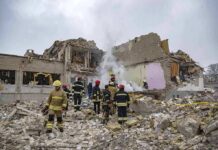
A sudden flood at the Nepal–China border killed at least eight people and wrecked key trade links as Chinese outlets reported heavy losses in Tibet.
Story Snapshot
- Flash floods in Nepal’s Rasuwa district killed at least eight and swept away bridges and roads.
- Chinese state media reported “major casualties” at a Tibet trade hub across the border.
- Nepal’s army and police rescued survivors and searched for missing people as damage mounted.
- The border corridor is a known hotspot for cross-border glacial flood risks, raising calls for tighter alerts.
What Happened Along the Nepal–China Border
Nepal officials said a powerful flash flood surged through the Bhote Koshi River in Rasuwa district, near the Rasuwagadhi crossing, early Wednesday. At least eight people died as water and debris tore through markets, homes, and customs areas, damaging roads, bridges, and power projects. The flood hit a vital trade artery with China, where state media reported “major casualties” from a mudslide at a Tibet trade hub. Search and rescue teams moved in as alerts spread downstream.
Nepal’s security forces reported active rescues and ongoing searches through the afternoon. The Nepali Army said helicopters and ground teams pulled survivors from rubble and riverbanks while crews cleared blocked routes to reach stranded families. District officials warned that more losses were likely as reports arrived from cut-off villages. Local media described vehicles swept from a dry port area and widespread damage to customs and road infrastructure near the border.
Damage to Trade Links and Energy Projects
Authorities and local outlets reported severe harm to key cross-border facilities that support trade and travel. The corridor around Rasuwagadhi and Kerung hosts customs yards, a border post, and the route that links Nepal’s hills to markets in Tibet. Reports cited destroyed bridges and wrecked roads that now hinder relief and commerce. Hydropower sites along the river also suffered damage, cutting electricity and slowing repair work as heavy machinery struggled to access washed-out sections.
Past floods in this same frontier have exposed the weakness of shared infrastructure to sudden surges. In 2025, a flood wave destroyed the Miteri “Friendship” Bridge and disrupted both countries’ trade for days, prompting joint repairs and temporary detours. Analysts later warned that the corridor’s bridges, dry ports, and highways face rising risk from similar flood bursts that can cross the border in minutes. Those warnings echo in today’s damage footprint and rescue hurdles.
Why This Border Is a High-Risk Flood Zone
Scientists who track High Mountain Asia say many glacial lakes in Tibet and Nepal can burst and send flood waves downstream. A global database shows that more than a quarter of known outburst floods could cross borders, though only a few have done so with recorded impacts. Modeling work and case studies flag the Nepal–China frontier as a hotspot where a single outburst can damage roads, dozens of bridges, and thousands of buildings across both countries.
384 tourists missing after flash floods hit Nepal-China borderhttps://t.co/GPFGVRhqFC
— Yeni Şafak English (@yenisafakEN) August 26, 2026
After the 2025 disaster, Nepal and China pledged better coordination on glacial lake risks and early warnings. Nepal’s disaster authority called for regular data sharing and joint alerts to give border towns more time to move people and protect assets. This week’s flood again shows how minutes matter when the river rises fast. People on both sides want systems that cut red tape and send clear warnings before bridges and markets are in the water.
What to Watch Next
Officials in Nepal will publish updates on the death toll, the number missing, and the status of blocked roads. Rescue teams will push into remote valleys as weather allows, while engineers assess damage to the border post, customs yards, and hydropower plants. On the China side, state media reports of “major casualties” point to a serious loss that will shape the pace and scale of response at the Tibet trade hub.
Longer term, the test is whether both governments move from pledges to practice. Clear, fast alerts, shared river gauges, and hardier bridges can save lives and protect trade that many families depend on. People across the political spectrum agree on this much: when warnings lag and infrastructure fails, regular citizens pay the price while officials debate process. This border flood is a sober reminder to cut through that and fix what we can now.
Sources:
insiderpaper.com, nepalaaja.com, myrepublica.nagariknetwork.com, euronews.com, kathmandupost.com, dpnet.org.np, ianslive.in, newindianexpress.com, bbc.com, pmc.ncbi.nlm.nih.gov