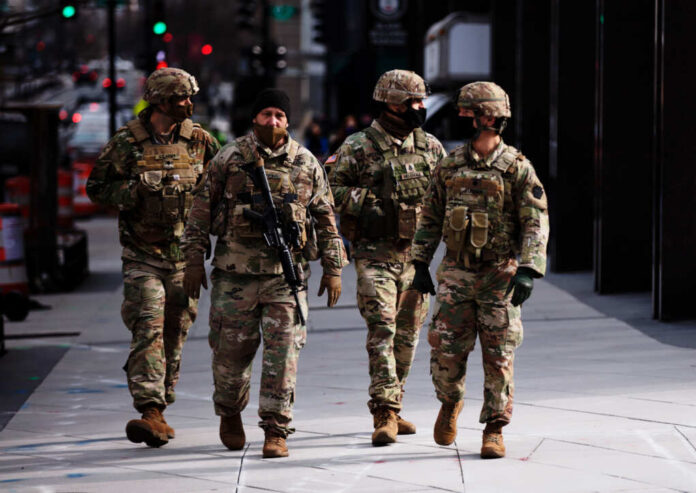
Federal deployment of the National Guard to Memphis signals a dramatic escalation in the fight against violent crime, igniting questions about government overreach and the future of public safety.
Story Snapshot
- President Trump orders National Guard and federal agents to Memphis after years of high violent crime rates.
- Memphis becomes the third U.S. city to receive federal military support for local policing.
- Experts and residents debate the balance between urgent crime reduction and risks to civil liberties.
- Federal action is framed as a response to failed Democrat governance and persistent violence.
Memphis Faces Unprecedented Federal Intervention
On September 12, 2025, President Donald J. Trump announced the deployment of Tennessee National Guard troops and federal agents to Memphis. This move comes after Memphis registered the highest violent and property crime rates in the nation throughout 2024, with homicide and motor vehicle theft particularly elevated. The executive order positions Memphis as only the third city in recent years to receive such robust federal and military intervention, following similar deployments in Los Angeles and Washington, DC. Administration officials cite the severity of the crisis and a perceived failure in local law enforcement as justification for this extraordinary step.
Memphis’s chronic crime problem has deep roots. For decades, the city has battled high poverty, entrenched socioeconomic inequality, and systemic mistrust between police and communities. Violent crime surged during the pandemic, and while some categories like robbery and burglary have seen declines since 2023, homicide and auto theft remain stubbornly above pre-pandemic levels. Despite recent attempts at reform and collaboration by the Memphis Police Department, persistent violence and community frustration have fueled calls for more drastic measures and federal support.
Federal, Local, and Community Stakeholders Clash Over Solutions
The deployment brings together multiple stakeholders: President Trump as chief decision-maker, the Tennessee National Guard, federal agencies including the Department of Justice and Homeland Security, and local partners such as the Memphis Police Department. State and city leaders have voiced mixed reactions, balancing the need for public safety against concerns about local autonomy. Residents and community organizations find themselves at the intersection, weighing relief from violence against anxieties about militarization and further erosion of civil liberties. Power dynamics are shifting, with federal authorities exerting strong influence through resources and oversight, while local agencies maintain operational expertise and critical relationships within neighborhoods.
Federal agents and National Guard personnel are being integrated into local law enforcement strategies, concentrating efforts on violent crime hotspots through coordinated patrols and intelligence sharing. Early public responses reflect a divided city—some welcome the increased security presence, while others warn of the long-term risks of normalizing military involvement in civilian policing. Historical precedent shows that such deployments have rarely been used for routine crime control, amplifying the sense of urgency and controversy surrounding the current intervention.
Short-Term Relief and Long-Term Risks Challenge Memphis
In the immediate term, increased law enforcement presence is expected to deter violent crime and provide short-lived relief, particularly in the city’s most affected neighborhoods. Local businesses, schools, and community groups anticipate changes in daily operations and safety perceptions. However, experts caution that the sustainability of any crime reductions will depend on deeper reforms and investment in socioeconomic development. Concerns persist about the potential for strained police–community relations, diminished trust, and civil rights violations, especially if federal and military involvement becomes a normalized response rather than an extraordinary measure.
Trump is deploying the National Guard to Memphis. Experts worry it’s becoming normal : NPR https://t.co/5fFYrpru3o
— armchairview (@armchairviewnet) September 19, 2025
Crime analysts and policing scholars agree that lasting improvements in Memphis will require more than outside enforcement. They highlight the need for local reforms, genuine community engagement, and targeted support to address poverty and recidivism. Data from the Memphis Shelby Crime Commission and the Council on Criminal Justice confirm that while some crime categories have declined, the city’s homicide rate remains among the highest in the country. Supporters of the intervention argue that overwhelmed local agencies need federal resources, while critics warn of unintended consequences and the risk of eroding constitutional protections. The Memphis case is likely to influence national debates about the proper role of federal and military authority in America’s cities.
Sources:
Memphis Crime Rate: What You Need to Know
Memphis Crime Drops to Historic 25-Year Low Across Major Categories
Crime in Memphis: What You Need to Know
President Trump Announces Bold Action to Crush Violent Crime in Memphis