
When a Thai woman, declared dead by her family, knocked on her own coffin moments before cremation, it exposed the very real dangers of unchecked, unverified authority—reminding all Americans why due process and constitutional protections matter.
Story Snapshot
- A 65-year-old Thai woman was mistakenly declared dead by her family and nearly cremated alive.
- Family and rural temple staff handled death verification, bypassing medical professionals.
- The incident highlights the dangers of eroding checks, balances, and professional standards—values that protect freedom everywhere.
- This story underscores the necessity of rigorous protocols and the risks of government or layperson overreach.
Misdiagnosis Leads to Near-Tragedy in Rural Thailand
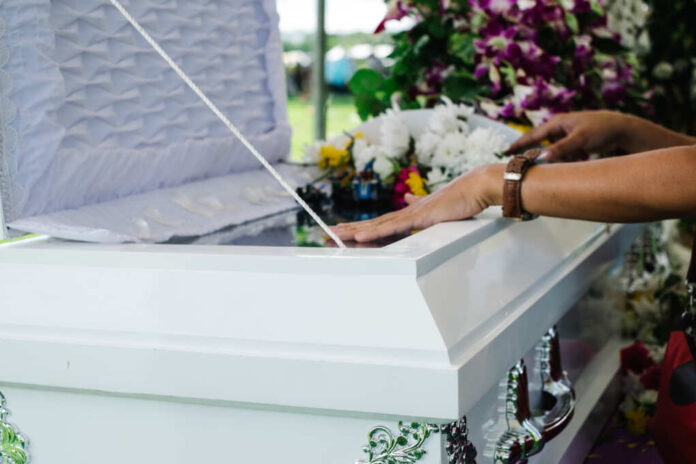
On November 23, 2025, a 65-year-old woman named Chonthirot was found unresponsive in her home in Thailand’s Phitsanulok province, where she had been bedridden for two years. Without immediate access to medical professionals, her family assumed she had died and placed her in a coffin for transport to a temple near Bangkok, which offered free funeral and cremation services for the poor. Just as the cremation was about to begin, relatives heard knocking from inside the coffin—Chonthirot was, in fact, alive. This harrowing video-captured moment has since gone viral, shocking viewers worldwide and sparking debate over the dangers of bypassing proper checks and life-saving verifications.
Doctors later determined Chonthirot had never stopped breathing; instead, she suffered a severe drop in blood sugar, a condition known as hypoglycemia. Luckily, temple workers responded to the urgent knocking and stopped the cremation. While she survived, the trauma experienced by her and her family was immense. The family’s reliance on layperson assessment, rather than professional medical confirmation, led directly to this near-fatal error. This incident is a wake-up call—not just for rural Thailand, but for any society that allows critical decisions to rest with unqualified or unchecked authorities.
When Protocols Fail: The Dangers of Authority Without Accountability
In rural Thailand, it is not uncommon for families to handle death declarations themselves, especially when medical resources are scarce or costly. Temples often serve as the final stop for those seeking affordable end-of-life services. However, this tragic episode demonstrates the perils of such informal systems. Bypassing essential professional standards can result in catastrophic mistakes. The Chonthirot case is not an isolated event; globally, there have been rare but serious incidents where people declared dead were found alive, usually due to lack of proper verification. These stories reveal what happens when society tolerates shortcuts and unchecked authority—whether in government, healthcare, or justice.
For American conservatives, this event resonates on a deeper level. It serves as a powerful reminder of why the Constitution exists: to enshrine due process, protect against hasty government action, and ensure that no one is left at the mercy of unchecked individuals or bureaucracies. The principle is simple—without robust safeguards, even well-meaning people can make life-or-death mistakes.
Systemic Gaps and Calls for Reform
The incident in Thailand has sparked public demand for stricter protocols regarding death certification, particularly in rural and resource-limited areas. Medical experts and funeral industry professionals alike now advocate for mandatory medical confirmation before cremation or burial. Scholars in public health stress that systemic gaps in access to qualified healthcare providers remain a serious problem. While this story is rooted in Thailand’s context, it serves as a warning against complacency anywhere. Societies that weaken standards, whether through “woke” policies, government overreach, or disregard for expertise, put lives and liberties at risk.
Thai woman found alive in coffin after being brought in for cremation#Thailand #Undead #Alivehttps://t.co/pt056kMTVo
— A Forced Melon Is Not Sweet (@aheartkissedbyg) November 25, 2025
For families like Chonthirot’s, the ordeal has left lasting trauma and shaken community trust in local practices. On a larger scale, it has reignited discussions about the importance of professional standards, the dangers of overreliance on lay judgment, and the critical role of individual rights in protecting against authority gone unchecked. This near-tragedy should prompt policymakers everywhere to strengthen—not erode—protocols that safeguard life and liberty.
The Broader Message: Vigilance Is the Price of Freedom
While this story unfolded far from America’s shores, its lessons are universal. When protocols designed to protect individuals are ignored or weakened—whether by well-intentioned families, reckless government, or activist agendas—everyone is put at risk. Conservatives have long warned about the dangers of bureaucratic overreach, lack of accountability, and the erosion of constitutional safeguards. The Thai coffin incident is a stark, real-world example of why these principles matter. Vigilance, checks and balances, and respect for expertise are not just political talking points—they are the foundation of a free and just society. Let this story be a reminder to always defend those values, at home and abroad.
Sources:
Moments Before Cremation, Dead Thai Woman Awakens Inside Coffin
Woman Came Back to Life in Coffin Minutes Before Cremation in Thailand