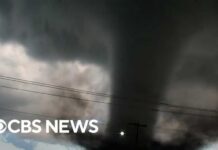
As tens of thousands gathered for Burning Man, a massive dust storm tested the festival’s principle of self-reliance and forced organizers to implement emergency safety measures, according to the Burning Man Project.
Story Snapshot
- Burning Man 2025 struck by powerful dust storm with wind gusts exceeding 50 mph, causing severe damage and shutdowns.
- Festival gates and airport were closed for safety, trapping attendees and halting traffic within Black Rock City.
- Organizers and local authorities faced unprecedented logistical and safety challenges due to the intensity of the storm.
- Event highlights vulnerabilities of large-scale gatherings and raises questions about preparedness in the face of extreme weather.
Extreme Weather Hits Burning Man: Infrastructure and Safety at Risk
Over the weekend of August 24–25, 2025, Burning Man attendees in Nevada’s Black Rock Desert were confronted by one of the most severe dust storms in the festival’s history. Wind gusts exceeding 50 mph battered campsites, art installations, and vehicles, forcing the temporary closure of festival gates and the on-site airport. These conditions left thousands stranded and exposed the challenges of relying on temporary infrastructure in remote locations. The festival’s organizers responded with emergency measures, but many participants found themselves struggling to recover their property and maintain basic safety.
The storm’s intensity was notable even by Burning Man standards, where harsh weather is expected but rarely reaches this magnitude at the start of festivities. The event coincided with regional weather disruptions, including thunderstorms, wildfires, and flash flood warnings across the western United States. Such compounding hazards underscored the logistical difficulties faced by both attendees and emergency services. The National Weather Service had warned of a monsoonal surge bringing dangerous winds and dust, yet recovery efforts remained slow as driving within Black Rock City was prohibited and the airport remained closed for much of the weekend.
Stakeholders Respond: Organizers, Attendees, and Authorities
The Burning Man Project, which organizes the festival, worked closely with Pershing County officials, Nevada Highway Patrol, and emergency services to address the crisis and ensure attendee safety. Decision-makers coordinated real-time updates about gate and airport closures, while attendees—known for their ethos of radical self-reliance—were left to repair damaged camps and salvage art installations. Local authorities managed traffic and public safety, relying on National Weather Service data to inform their responses. According to disaster preparedness researcher Dr. Samantha Montano from Massachusetts Maritime Academy, the storm highlighted the limits of individual self-reliance during extreme weather and reinforced the importance of coordinated emergency planning.
Organizers’ contingency plans were put to the test, with reports from on-site participants and social media documenting widespread damage and recovery efforts. The festival’s temporary infrastructure proved vulnerable against extreme weather, forcing a reevaluation of safety protocols and logistics. Some commentators, such as policy analyst John Horowitz from Heritage Foundation, argued the incident underscored the unpredictability of nature and the need for robust, practical safety systems rather than overreliance on idealistic organizational models.
Impact and Lessons: Broader Implications for Large-Scale Events
Short-term effects included disrupted festival activities, property damage, and logistical delays for attendees and organizers. Economic losses for participants and vendors were compounded by social impacts, as heightened awareness of climate risks at large-scale gatherings grows. Long-term, the storm may prompt increased scrutiny of event safety protocols and emergency preparedness, with regulatory oversight and insurance requirements likely to follow. Event safety analyst Steve Adelman (Vice President, Event Safety Alliance) noted that Burning Man’s infrastructure challenges may serve as a case study for the broader events industry, emphasizing the importance of practical, scalable risk management at outdoor gatherings.
Burning Man Attendees Warned of Extreme Weather as Massive Dust Storms Hit Festival https://t.co/NWmjFmiVE4 via @BreitbartNews
"Black Cloud" (Ukrainian art) destroyed from the "inside out"…
Why do these fools still go to Burning Man?
— Auntie Anita is now in Michigan (@Anita_in_Tucson) August 26, 2025
Event safety expert Randy Atlas from Atlas Safety & Security Design Inc. emphasized the importance of robust communication and contingency planning, noting that real-world experience often outweighs idealized organizational models. Sociologist Katherine Chen from City College of New York, who has studied Burning Man extensively, said the disruption tested the resilience and adaptability that the festival encourages among participants. Analysts also pointed out that the storm may influence broader debates about preparedness and risk management at large cultural events.
Sources:
Burning Man Attendees Warned of Extreme Weather as Massive Dust Storms Hit Festival | Business Insider
Monsoonal surge brings winds, rains, lightning across West | Los Angeles Times