

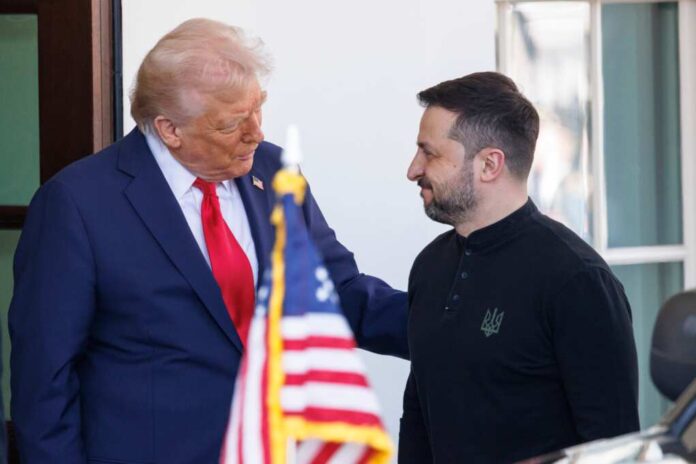
The use of US-supplied ATACMS missiles by Ukraine marks a significant escalation in the conflict, with potential consequences for global stability.
Story Highlights
- Ukraine launches US-supplied long-range missiles into Russia, marking a first in the conflict.
- Recent US policy change under former President Biden allowed strikes on Russian soil.
- Russia claims successful interception, but reports indicate debris damage in civilian areas.
- Implications for NATO involvement and geopolitical tensions are significant.
Ukraine’s Landmark Use of ATACMS Missiles
Ukraine’s recent launch of US-supplied ATACMS missiles into southern Russia has escalated tensions in the ongoing conflict. This marks the first time Ukraine has used these advanced long-range missiles, previously restricted by US policy to Ukrainian territories occupied by Russian forces. The decision to allow strikes inside Russia was made by former US President Joe Biden in November 2024, reflecting a shift in US foreign policy to support Ukraine’s defensive capabilities.
The missiles targeted military sites in regions such as Karachev and Voronezh, with the Kremlin claiming its air defenses intercepted several missiles. Despite these claims, debris reportedly caused damage to civilian structures, raising concerns about the escalation’s impact on non-combatants. Ukraine’s military leadership views the strike as a demonstration of resilience and a commitment to defending its national sovereignty in the face of Russian aggression.
Geopolitical Repercussions and Policy Shifts
The US policy shift under the Biden administration has been a point of contention, reflecting the complexities of supporting Ukraine while managing the risk of direct confrontation with Russia. The provision of ATACMS missiles, initially supplied with restrictions, underscores the changing dynamics of military aid and the strategic calculations involved. This development raises questions about the balance of power in the region and the potential for further military escalation.
Russia’s response has been to emphasize its defensive capabilities, claiming successful interceptions while highlighting the civilian damage caused by missile debris. The situation remains fluid, with both sides assessing the implications of these new developments and preparing for potential retaliatory actions. The international community, particularly NATO allies, is closely monitoring the situation for signs of further escalation.
Potential Long-Term Implications
The use of ATACMS missiles by Ukraine could have long-term implications for the conflict’s trajectory. In the short term, there is a heightened risk of Russian retaliation and increased military tensions along the border. In the long term, the conflict could see a shift in dynamics, with potential increases in Western involvement and further strains on diplomatic relations. The situation also poses challenges for maintaining alliance unity within NATO, as member states navigate the complexities of supporting Ukraine against Russian aggression.
Ukraine fired US-made ATACMS missiles at southern Russian city: Kremlin #TheHill https://t.co/WTWI6WI3Gs
— #TuckFrump (@realTuckFrumper) November 19, 2025
Overall, the recent developments highlight the delicate balance of power and the potential for significant geopolitical shifts. As both Ukraine and Russia continue to vie for strategic advantage, the international community must remain vigilant and prepared for a range of outcomes in this evolving conflict.
Sources:
Ukraine Strikes Russia with ATACMS for the First Time
Kyiv Post: Ukraine’s Use of ATACMS Missiles in Russia