Suspicious bets and trades reportedly hit markets minutes before President Trump’s biggest announcements—raising fresh questions about whether Washington insiders are gaming the system.
Quick Take
- A BBC investigation describes repeated, unusually well-timed trading spikes ahead of Trump-related announcements during his second term.
- One example involves heavy oil futures short-selling roughly 14–16 minutes before a Trump pre-market post, followed by a reported 14% price drop.
- Another example cites a Polymarket account that bet $32,000 on Venezuela’s Nicolás Maduro being ousted and later netted nearly $500,000 after a U.S. operation.
- Polymarket and Kalshi say they updated rules in March 2026 to curb insider trading risks as scrutiny grows.
What the BBC alleges: patterns that look “too early” to be luck
BBC reporting centers on a recurring pattern: sudden, concentrated trading activity that appears shortly before market-moving statements tied to President Donald Trump’s second-term foreign-policy posture. The investigation points to both traditional markets, like oil futures, and newer prediction markets, where traders place large bets on political outcomes. The core question is straightforward: are traders simply anticipating Trump’s next move, or acting on non-public information?
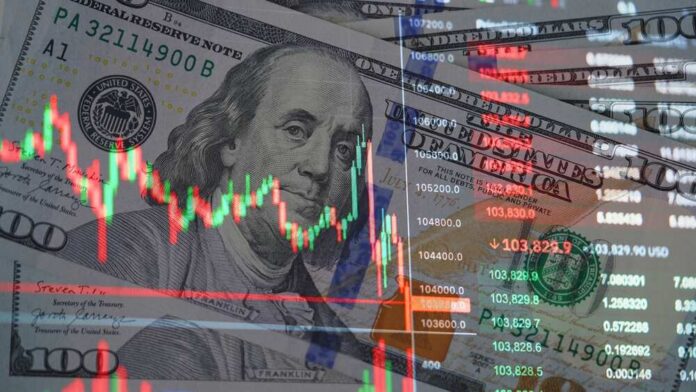
The most vivid commodity example cited involves oil. After Trump threatened Iran’s power plants over a weekend, the BBC reports a “massive spike” in oil futures short-selling that showed up roughly 14 to 16 minutes before Trump posted a Monday morning, pre-market message. According to the reporting, oil prices fell about 14% afterward, a swing that can create enormous profits for traders positioned correctly—especially those entering just before the news.
The Venezuela bet: a prediction-market account that made nearly $500,000
The BBC also highlights a case that played out on Polymarket, where a user account—created in December 2025—placed about $32,000 on the outcome that Venezuelan President Nicolás Maduro would be ousted. The timeline described places the bets between December 30, 2025 and January 2, 2026, followed by Maduro’s seizure by U.S. special forces on January 3. The report says the account ultimately earned nearly $500,000, then changed names and went inactive.
Prediction markets have become a public window into what used to be mostly hidden: the moment-by-moment flow of political wagers and how tightly they can correlate with real-world actions. Even if no laws are broken, repeated “near-perfect timing” tends to reinforce a broader public suspicion—shared across left and right—that powerful players get information first, while ordinary investors and working Americans absorb the volatility after the fact.
Insider trading vs. “Trump trading”: what’s provable and what isn’t
The BBC frames the timing clusters as potential “hallmarks” of illegal insider trading, while acknowledging a competing explanation offered by some analysts: traders may be learning to anticipate Trump’s behavior, including abrupt geopolitical signaling and rapid follow-through. No confirmed link between these trades and White House officials, and it notes uncertainty about whether leaks occurred.
Platform rule changes and the political stakes for a frustrated public
Polymarket has said it “sets and maintains the highest standards of market integrity” and works proactively with law enforcement, while the White House reportedly did not respond to the BBC investigation and previously rejected allegations that an administration official was illegally profiteering. Separately, Polymarket and Kalshi introduced new rules in March 2026 aimed at combating insider trading. Those moves suggest platforms see reputational and regulatory risk if the public concludes political markets are becoming a playground for privileged information.
The insider trading suspicions looming over Trump's presidency https://t.co/oMSHOAFDTg
— BBC News (UK) (@BBCNews) April 20, 2026
For conservatives who already distrust bloated bureaucracies and elite privilege, the political danger is less about one headline and more about a recurring theme: Americans can accept hardball policy fights, but they recoil at the idea that government-connected actors might “trade the news” before it becomes public. For liberals skeptical of concentrated wealth and influence, the same patterns feed a parallel worry.
Sources:
The insider trading suspicions looming over Trump’s presidency
The insider trading suspicions looming over Trump’s presidency