
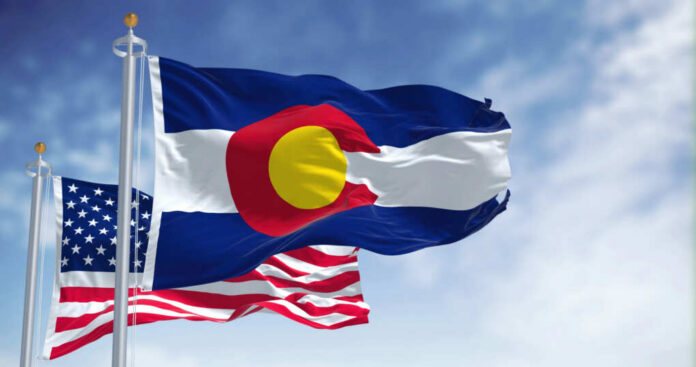
Nearly 100 companies have abandoned Colorado since 2019, costing over 13,000 jobs and triggering alarm among business leaders who warn the Democratic-controlled state’s regulatory overreach is driving employers to competitor states like Texas and North Carolina.
Story Snapshot
- 98 companies left Colorado since 2019, resulting in 13,000+ job losses and 34 lost public company headquarters since 2022
- Over 200 business and civic leaders sent urgent letter to state officials demanding competitiveness assessment and regulatory reforms
- Colorado Chamber study ranks state sixth most regulated nationally, with 45% of regulations deemed duplicative
- State’s business ranking fell from 4th to 11th since 2022; Colorado experienced net population outflow in 2025
Business Exodus Accelerates as Colorado Loses Competitive Edge
Colorado has hemorrhaged nearly 100 companies since 2019, with businesses either relocating headquarters, expanding operations out-of-state, or canceling planned moves to the state entirely. The exodus eliminated more than 13,000 jobs and resulted in a net loss of 34 public company headquarters since 2022 alone. The state also experienced net domestic migration loss in 2025, with more residents leaving than arriving. U.S. News & World Report downgraded Colorado’s business ranking from fourth to eleventh best since 2022, reflecting the state’s deteriorating competitive position in the national marketplace.
Regulatory Burden Drives Companies to Lower-Regulation States
A chamber-commissioned study identified Colorado as the sixth most regulated state in America, with 45 percent of regulations classified as duplicative or unnecessary. Tech entrepreneur Dan Caruso, who spearheaded a letter signed by over 200 business and civic leaders, warned state officials that Colorado is “in the losing camp” compared to competitor states. The letter demands a thorough assessment of competitiveness factors and urges development of a 20-year bipartisan economic strategy. Companies have migrated to Texas, North Carolina, and California, seeking environments with fewer regulatory obstacles and lower operating costs that allow businesses to thrive without government interference.
Business Leaders Demand Course Correction From State Officials
The coalition of business leaders directed their urgent appeal to Governor Jared Polis, Senator John Hickenlooper, Denver Mayor Mike Johnston, and candidates Michael Bennet and Phil Weiser. Caruso emphasized the need to “course correct” for future generations, warning that continued inaction will inflict multi-generational economic damage on Colorado families. The Colorado Chamber of Commerce has championed legislation, supported by Governor Polis, requiring five-year reviews of state regulations with mandatory cost-benefit analyses. This represents a rare point of agreement between business advocates and Democratic leadership, though critics question whether symbolic gestures will reverse years of anti-business policies.
The governor’s Office of Economic Development countered negative trends by highlighting 25 business expansions in 2025 that created 6,700 jobs. However, this figure pales against the 13,000-plus jobs lost since 2019, raising questions about whether state officials grasp the severity of Colorado’s competitive crisis. The chamber’s data reveals an unmistakable pattern: businesses vote with their feet when government burdens exceed the benefits of location. States embracing lower taxes, streamlined regulations, and business-friendly policies are capturing Colorado’s economic opportunities while the state’s leaders tout modest gains that fail to offset substantial losses.
Deep State Regulatory Machine Threatens Colorado’s Economic Future
The Colorado situation exemplifies how entrenched bureaucracies prioritize regulatory expansion over economic prosperity, regardless of electoral mandates or public welfare. Unelected officials in state agencies continue generating rules that strangle business innovation and job creation, operating with minimal accountability to citizens bearing the economic consequences. The 45 percent duplication rate in Colorado regulations demonstrates how government grows for its own sake rather than serving legitimate public needs. Business leaders calling for bipartisan solutions recognize that this transcends traditional partisan divides—it reflects a fundamental failure of government to perform its core function of creating conditions where citizens can pursue prosperity through enterprise and hard work.
Americans across the political spectrum increasingly understand that whether regulations originate from Democratic environmental mandates or Republican bureaucratic inertia, excessive government control produces identical results: lost jobs, declining competitiveness, and diminished opportunity. Colorado’s regulatory burden didn’t emerge overnight but accumulated through decades of unchecked government expansion by officials more concerned with agency budgets and political correctness than with the livelihoods of working families. The business exodus from Colorado serves as a warning to every state: when government forgets it exists to serve the people rather than rule them, citizens and employers alike will seek greener pastures where freedom and opportunity still flourish.
Sources:
Hundreds of Colorado business leaders call for action as nearly 100 companies leave
Hundreds of business leaders call for action as nearly 100 companies leave Colorado