
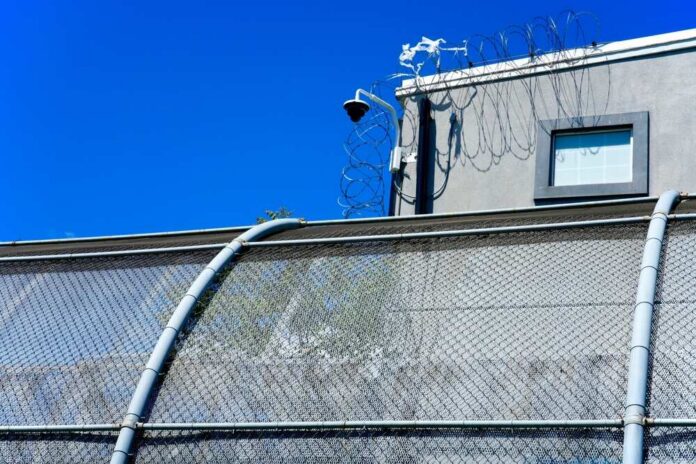
A July 4 attack on an ICE detention center is now testing whether “protest” can be used as cover for an armed ambush on American law enforcement.
Story Snapshot
- Federal prosecutors say a coordinated group attacked the Prairieland (Alvarado) ICE Detention Center with fireworks, vandalism, and gunfire, wounding an Alvarado police lieutenant who responded to a 911 call.
- A major federal trial in Fort Worth has focused on whether the event was a planned attempt to kill officers or a chaotic “noise demonstration,” as defense attorneys claim.
- Investigators tied alleged planning to a Signal chat and pre-event “gear checks,” with Benjamin “Champagne” Song described as a key figure in the shooting.
- Multiple defendants have taken plea deals tied to material support or related conduct, while remaining defendants face serious charges and potentially decades-long sentences.
What happened at Prairieland on July 4—and why it matters
Authorities allege that late on July 4, 2025, a group of roughly a dozen people converged on the Prairieland ICE Detention Center in Alvarado, Texas, using fireworks and vandalism as part of a planned disruption. Prosecutors say the incident escalated into gunfire directed at responding personnel, and Alvarado Police Lt. Thomas Gross was struck and survived. The case matters because it draws a hard line between protected speech and violent action targeting officers.
Federal filings and reporting describe the attack as more than a spontaneous protest. Investigators allege the group coordinated beforehand, including an alleged “gear check” and planning at private residences the day before. Prosecutors have argued the goal was an ambush—setting conditions that would pull law enforcement into the open and then firing on them. Defense teams counter that the gathering was intended as solidarity with detainees and that the government is overstating organization and intent.
Inside the Fort Worth trial: intent, evidence, and the “Antifa cell” dispute
By early 2026, nine defendants were on trial in federal court in Fort Worth, and both prosecution and defense have rested, leaving jurors to weigh intent and individual roles. Reporting says testimony has covered ideology and anti-ICE activism alongside physical evidence gathered in raids. The prosecution position is that the event was premeditated violence aimed at officers, while the defense emphasizes that many defendants lacked violent histories and challenges the claim of a structured “North Texas Antifa” cell.
That “cell” label is not just rhetorical; it is central to how the public understands the case and how future cases may be framed. Prosecutors describe coordinated, planned conduct; defense attorneys argue the defendants were linked more by friendships and activism than by a formal chain of command. Where evidence is clear, it appears to revolve around alleged planning communications, alleged pre-event preparations, and alleged firearms connections to key suspects.
Plea deals and the legal line between protest and terror charges
Several defendants have already pleaded guilty in late 2025 to charges described as material support or related conduct, with additional pleas tied to evasion-type allegations. Those pleas narrow the trial to the remaining defendants and may strengthen the prosecution narrative that the operation had structure and support roles beyond whoever fired the shots. Sentencing for plea defendants has been reported as scheduled around March 2026, while trial defendants face the risk of far more severe penalties.
The charges also highlight a major legal flashpoint: whether tools used in civil unrest—like fireworks—can be treated as “explosives” in a way that triggers terrorism-style enhancements when paired with alleged intent to harm officers. For conservatives who watched years of disorder get excused as “mostly peaceful,” the core question is straightforward: did the evidence show a planned attack on law enforcement, or is the government stretching terrorism frameworks to make a political example?
What’s confirmed, what’s not, and why credibility matters
The basic facts are broadly consistent across outlets: an attack occurred at the ICE facility, fireworks and gunfire were involved, and Lt. Gross survived his wound. Uncertainties remain in public accounts, including the precise location of Gross’s injury and how formal the alleged organization was. One claim circulating online—that Kash Patel specifically vowed to “hunt down” the attackers in this particular case.
Even with those limits, the direction of the case is clear: the federal government is testing a tougher posture on politically motivated violence aimed at officers and immigration enforcement. For Americans who want border laws enforced and police protected, the stakes are not abstract. If jurors conclude the event was an ambush, it reinforces a bright constitutional line—Americans can protest policy, but they cannot hide violence behind activism when the target is law enforcement doing its job.
Sources:
Defense, prosecution rest Prairieland ICE facility shooting federal trial
Alvarado ICE facility ambush trial March 3, 2026
Ten individuals charged with attempted murder of federal officers and firearms offenses