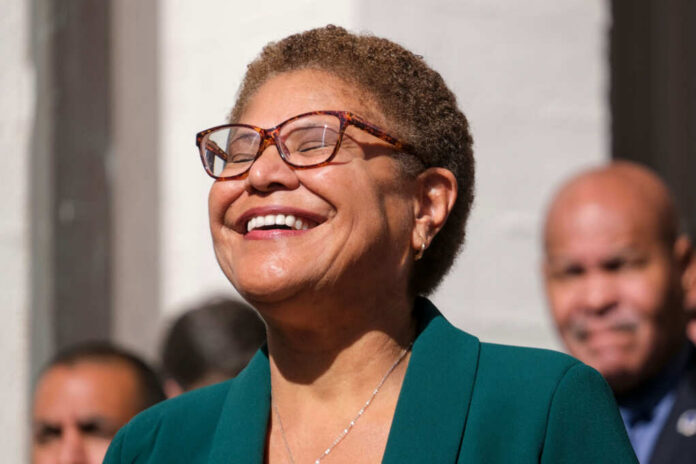
Los Angeles Mayor Karen Bass has slashed filming fees by 70% at iconic city locations and reopened long-shuttered sites to production crews, desperately attempting to reverse Hollywood’s exodus to competing states and revive an entertainment industry hemorrhaging jobs and investment.
Story Snapshot
- Griffith Observatory filming fees cut from $100,000 to $30,000, reverting to 2008 levels after unsustainable 2022 increases priced out productions
- L.A. Central Library reopens to film crews after more than a decade of restricted access, part of citywide push to reclaim production business
- Reforms respond to “runaway production” crisis as Hollywood loses work to Georgia, New Mexico, and other tax-friendly states amid crippling cost increases
- Council streamlines permitting processes through “Keep Hollywood Home” legislation following industry strikes and catastrophic job losses
Hollywood Bleeding: Fee Cuts Address Production Exodus
Mayor Bass announced a 70% reduction in filming fees at Griffith Observatory in March 2026, slashing costs from $100,000 back to $30,000—the same rate filmmakers paid in 2008. The dramatic fee hike implemented in 2022 contributed directly to production slowdowns as Hollywood studios, already reeling from 2023 labor strikes by writers and actors, found cheaper alternatives in states offering aggressive tax incentives. The fee reversal represents an acknowledgment that Los Angeles had priced itself out of its own signature industry, with productions fleeing to Georgia, New Mexico, and other jurisdictions that rolled out the welcome mat while California erected financial barriers.
The reforms extend beyond Griffith Observatory to include reopening the L.A. Central Library to film production after more than ten years of closure to crews. Bass issued Executive Directive 11 in May 2025, mandating these fee reductions and access expansions across city-owned properties. The directive specifically targeted iconic locations that had become financially inaccessible, recognizing that the entertainment capital of the world had essentially locked its own doors. FilmLA, the city’s permitting partner, is developing tiered fee structures for low-impact productions, piloting the program by March 2026 to further reduce costs and administrative burdens that have strangled smaller projects.
Decade of Damage: High Costs and Government Overreach
Los Angeles has hemorrhaged film production for years as government policies—both state and local—created a hostile business environment through excessive fees, byzantine permitting requirements, and crushing personnel costs for required LAPD and fire department staffing. The 2022 fee increases at Griffith Observatory exemplified this hostile approach, quadrupling costs at precisely the moment Hollywood faced existential threats from streaming disruption and labor disputes. Councilmember Adrin Nazarian’s “Keep Hollywood Home” motions, adopted by the City Council in early March 2026, attempt to streamline permitting processes that had become hopelessly tangled in red tape and bureaucratic delays that drove producers to friendlier locations.
The entertainment industry supports over 100,000 jobs in Los Angeles County and contributes to California’s $100 billion-plus production economy, yet local government policies actively undermined this economic engine. FilmLA documented significant drops in on-location filming as producers confronted not just high fees but also restrictive special conditions, shortened filming windows, and permitting delays that added uncertainty and expense. Bass’s reforms include coordination through Steve Kang, the Mayor’s Film Liaison, who provides “concierge-style” service to navigate remaining bureaucracy—a tacit admission that the system remains too complex even after reforms. The Port of Los Angeles cutting application reviews to four days and LADOT extending signage hours represent additional attempts to undo damage from years of government indifference.
Too Little, Too Late? Bass Plays Catch-Up
While Bass touts these reforms as continuing her legacy from championing California’s inaugural Film & TV Tax Credit as State Assembly Speaker, the reality is that Los Angeles fell dangerously behind competitors while she and other California politicians prioritized progressive policies over economic competitiveness. Georgia now rivals California in production volume, offering 20-30% tax credits without the bureaucratic obstacles Los Angeles imposed. The 2023 WGA and SAG-AFTRA strikes exacerbated job losses that government policies had already accelerated, creating a perfect storm that emptied soundstages and idled crews. Bass’s announcement, joined by representatives from Netflix, Warner Bros., and major unions, attempts to signal a business-friendly pivot, but the city is playing catch-up after allowing the advantage to slip away.
The reforms’ effectiveness remains uncertain. Reverting fees to 2008 levels acknowledges that the 2022 increases were catastrophic mistakes, but competitors continue offering superior incentives. Bass approved over three million square feet of new studio space and 120-plus sound stages in 2025, infrastructure investments that would have been unnecessary had the city maintained competitive policies from the start. The Motion Picture Association’s support for “smart policy” and unions praising preservation of labor standards suggest industry relief, yet the fundamental question persists: why did it take a crisis—strikes, job losses, and production flight—for Los Angeles leadership to recognize that punishing Hollywood with excessive fees and regulations would inevitably drive business elsewhere?
The timing reveals the desperation underlying these reforms. Bass’s executive directive came only after measurable production declines, union pressure, and clear evidence that producers were choosing Atlanta and Albuquerque over Los Angeles. For conservative observers, this represents a familiar pattern: progressive governance creating economic damage through overregulation and taxation, then scrambling to repair the harm once consequences become undeniable. Whether these belated reforms can restore Los Angeles’s competitive position or merely slow the decline remains to be seen, but the episode offers a cautionary tale about what happens when government treats its most valuable industries as piggy banks rather than economic assets requiring protection and support.
Sources:
Mayor Bass Announces Progress Implementing Executive Directives to Bolster LA’s Entertainment
Film-Friendly LA: What Mayor Bass’s Executive Order Means for CRE Professionals
City Leaders Working to Make Filming in Los Angeles Easier, More Affordable
LA Council Approves Package of Legislation to Bolster Film Industry